
As soon as you start surfing Chrono24, Bob’s Watches, or binge-watching Teddy Baldassarre, one thing jumps out: watches do much more than tell time. From timing a lap to summoning the phases of the moon, each “function”—or complication—adds engineering flair, price, and bragging rights.
Below is a lightning-round tour of ten of the most talked-about functions. For each one you’ll see how it works, typical price entry points, an iconic reference, and an affordable gateway piece (when one exists—some complications stay stubbornly expensive).
| Function | What Makes It Tick | Starting Price1 | Iconic Piece | Affordable Gateway |
|---|---|---|---|---|
| Date / Day-Date | A simple disk under the dial jumps once per day. | ≈ $150 | Rolex Day-Date (aka “President”) | Seiko 5 Sports |
| Chronograph | Start/stop/reset cams2 & levers run a secondary gear-train to time events. | ≈ $250 | Omega Speedmaster “Moonwatch” | Tissot PRX Chronograph |
| GMT / Dual Time | A 24-hour hand geared to rotate once per day tracks a second zone. | ≈ $300 | Rolex GMT-Master II “Pepsi” | Seiko 5 GMT (SSK series) |
| Alarm | A separate spring barrel drives a hammer that strikes an internal gong. | ≈ $600 | Jaeger-LeCoultre Memovox | Seiko “Bell-Matic” (vintage) |
| Moon Phase | A 59-tooth disk advances once every 24 h to sync with the 29.5-day lunar cycle. | ≈ $300 | Patek Philippe 3940 | Orient Sun & Moon v4 |
| Tachymeter (with Chronograph) | Fixed bezel or dial scale converts elapsed seconds into speed or rate. | Chronograph pricing | Omega Speedmaster | Bulova Lunar Pilot |
| Annual Calendar | Uses a cam programmed for 30-/31-day months; needs adjustment only on Feb 28/29. | ≈ $3 000 | Patek Philippe 5035 (first ever) | Longines Master Collection Moonphase Retrograde Annual Calendar |
| Perpetual Calendar | Lever “memory” accounts for leap years—no correction until 2100. | ≈ $6 000 (used) | Audemars Piguet Royal Oak Perpetual | None—high-horology only |
| Flyback Chronograph | Clutch lets you reset & restart timing with one press—perfect for pilots. | ≈ $1400 | Breguet Type XX | Baltic Bicompax “Panda” |
| Tourbillon | The entire escapement spins in a cage each minute to average out positional errors. | ≈ $500 (Chinese brands) | Breguet Classique 5317 | Seagull ST8000 tourbillon |
Bite-Size Deep-Dives
1. Date / Day-Date

- Why it matters: Everyday convenience.
- Geek fact: Rolex’s 1945 Datejust was the first self-winding wristwatch with an instantaneous date jump; the “quick-set” feature didn’t appear until 1977.
2. Chronograph
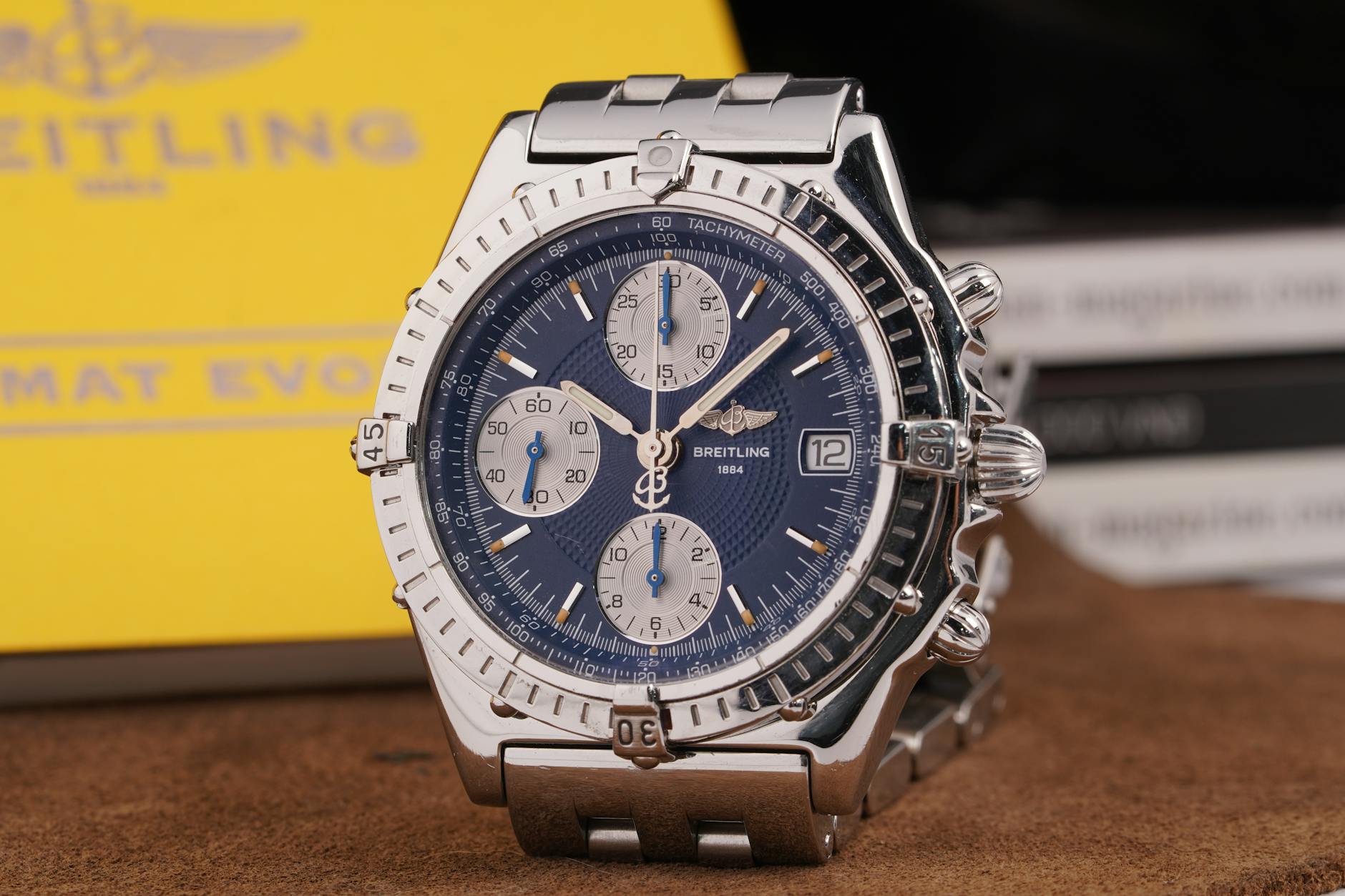
- Why it matters: Lap timing + tactile pusher feel.
- Geek fact: Vertical-clutch chronographs (e.g., Seiko 6139, Zenith El Primero) let the seconds hand run continuously with virtually no amplitude loss—perfect for OCD accuracy nerds.
3. GMT / Dual Time

- Why it matters: Track two zones at once.
- Geek fact: The Rolex 6542 “Pepsi” (1954) was developed for Pan Am pilots; its original Bakelite bezel was so fragile many were swapped for aluminum—surviving Bakelite models fetch six-figure sums.
4. Alarm

- Why it matters: A mechanical ringtone on your wrist.
- Geek fact: The Vulcain “Cricket” was nicknamed The President’s Watch—Truman, Eisenhower, Nixon and Johnson all wore one in the Oval Office.
5. Moon Phase
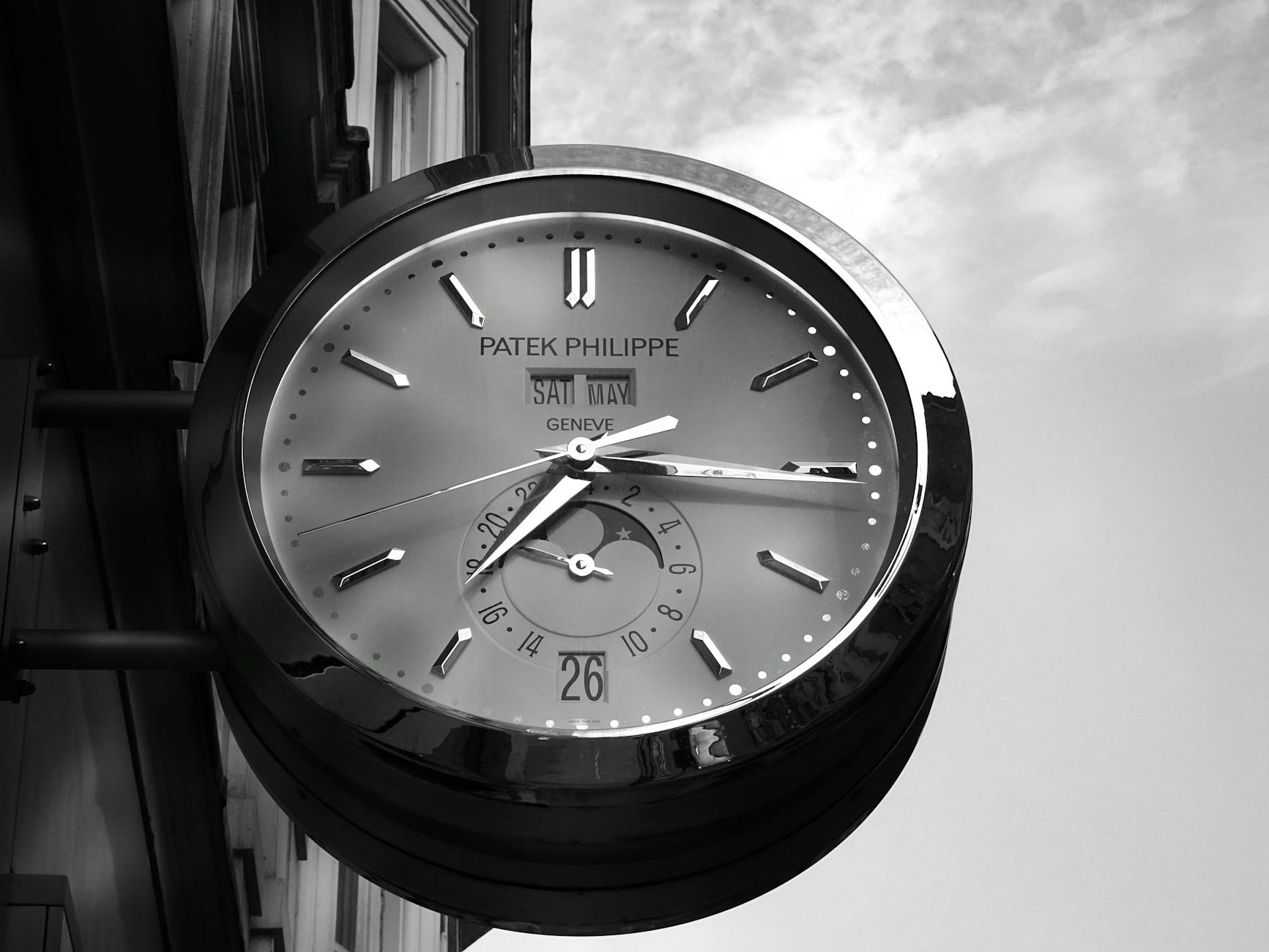
- Why it matters: Pure romance.
- Geek fact: A 135-tooth moon-phase disk (e.g., H. Moser Endeavour) drifts by one day every 122 years—over 4 × more accurate than the traditional 59-tooth setup.
6. Tachymeter (w/ Chronograph)
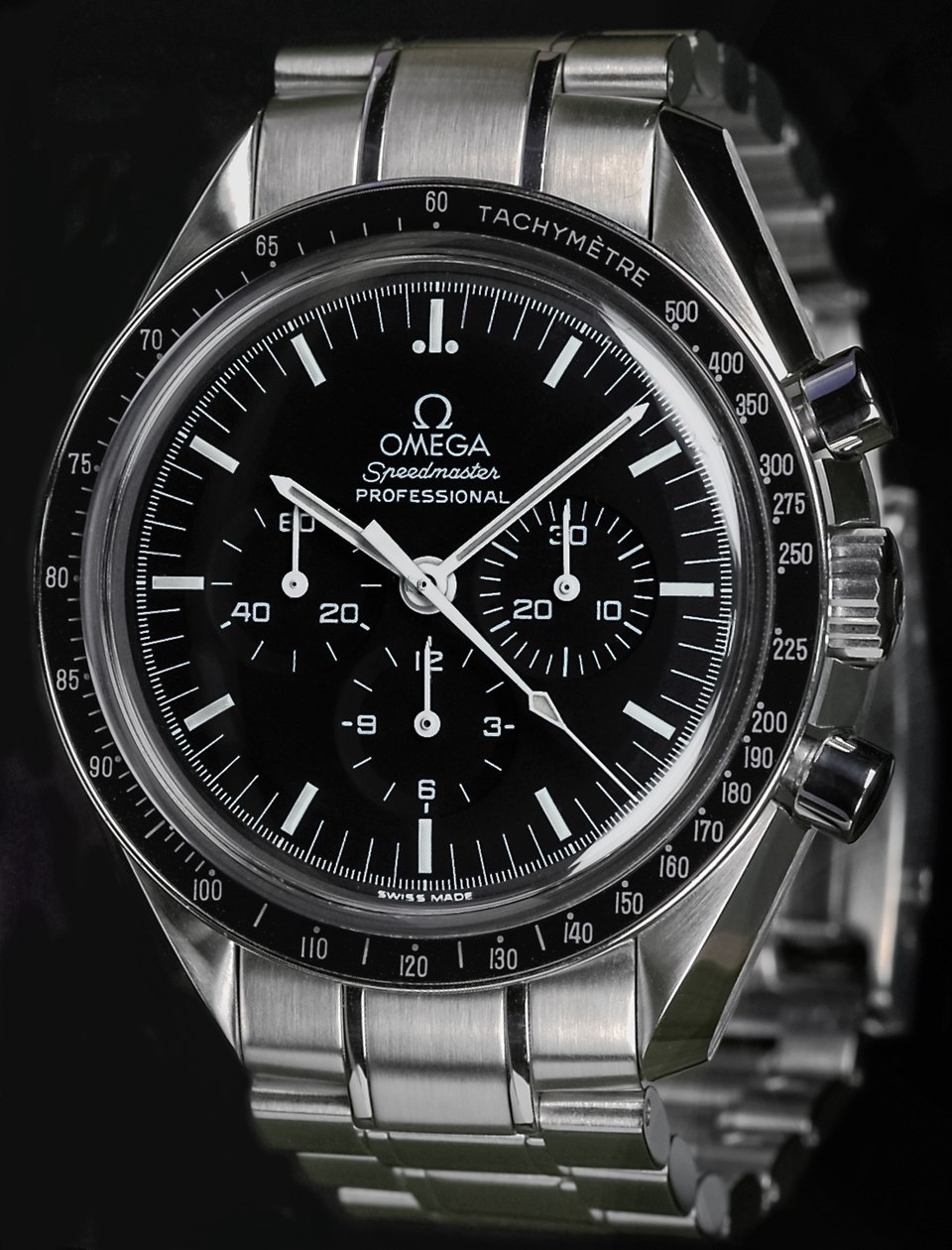
- Why it matters: Converts elapsed time into speed or rate.
- Geek fact: You can flip the script—time one unit of production (say, wrapping a burrito) and the tachy scale shows burritos per hour. Fast-food nerd badge unlocked.
7. Annual Calendar

- Why it matters: Adjust once a year, not every month.
- Geek fact: Patek Philippe created the complication only in 1996 (Ref 5035); they patented the three-cam mechanism that became the modern template.
8. Perpetual Calendar

- Why it matters: No correction until 2100.
- Geek fact: Patek’s 1925 Ref 97975 was the first wrist-perpetual; its 48-month “leap-year cam” makes just one full rotation every 4 years.
9. Flyback Chronograph
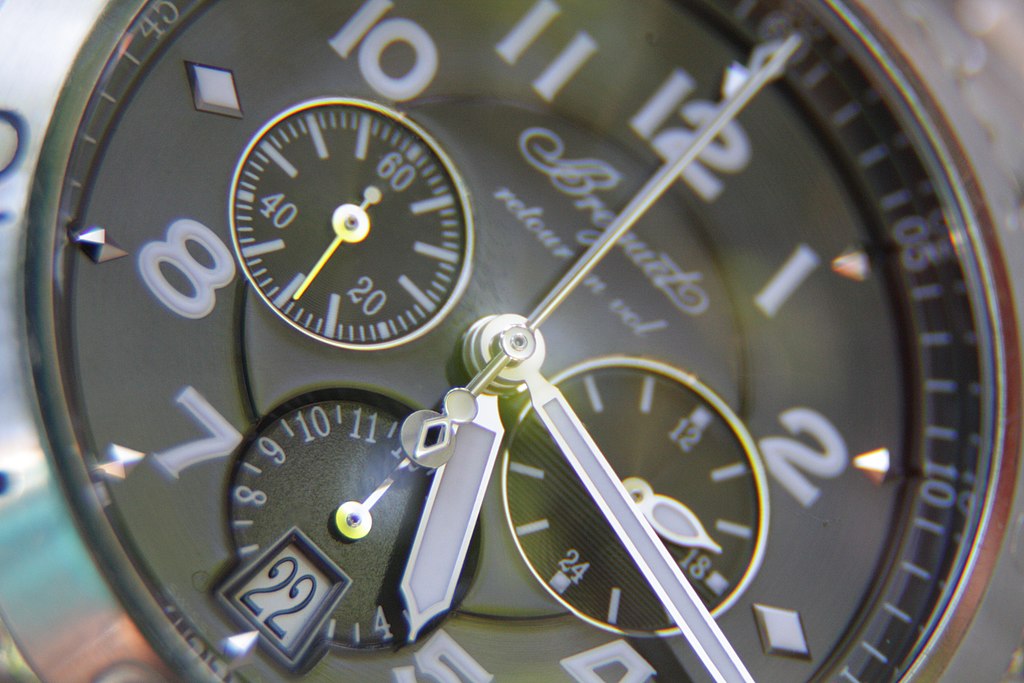
- Why it matters: Reset & restart with one push—ideal for navigation legs.
- Geek fact: The Breguet Type 20 spec demanded the movement reset within 0.2 seconds—a quality-control test still enforced on modern Type XX models.
10. Tourbillon

Geek fact: The original 1801 Breguet patent was for pocket watches; multi-axis tourbillons (e.g., Jaeger-LeCoultre Gyrotourbillon) compound the effect by spinning on two or three perpendicular axes.
Why it matters: Rotating escapement eye-candy.
Wrapping Up
Complications add personality and engineering theater. Whether you’re timing a marathon or admiring a miniature lunar cycle, knowing why a function exists helps you decide if the extra cost (and service complexity) is worth it.
Stay ticking!
- Typical street prices for stainless-steel pieces, new unless noted. Prices vary significantly based on brand, movement type, materials, and market demand. ↩︎
- Cams in watchmaking are specially shaped mechanical components that convert rotary motion into linear or intermittent movement. They are a critical part of many watch complications, particularly chronographs, where they help coordinate the start, stop, and reset actions. ↩︎
Share & Subscribe
If this deep dive made you look at your wrist differently, share the post and subscribe to Mechanical Minutes for more no‑nonsense horology every week.
 Mechanical Minutes

.jpg)
Leave a comment