
Watches tell time, but their evolution tells a story.
From medieval tower clocks to precision micro-mechanics on our wrists, the journey of watches spans centuries of invention, fashion, and obsession. This is the tale of how timekeeping became personal—and what might come next.
The Dawn of Timekeeping: Sundials and Tower Clocks
Long before watches, ancient civilizations tracked time using sundials, water clocks, and candle clocks. But these were immobile, communal, and far from precise.
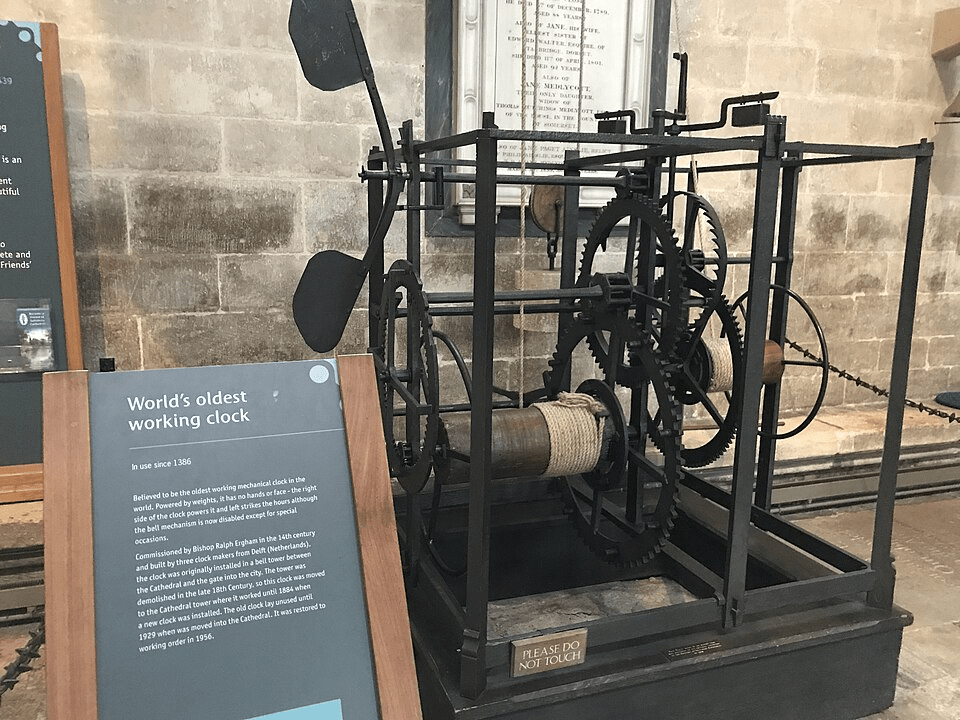
It wasn’t until the 14th century in Europe that mechanical tower clocks began to dominate town squares—giant machines powered by weights and regulated by verge escapements. These massive clocks brought standardized time to communities, often regulated by monks and cathedral bells.
Enter the Pocket Watch: Time Gets Personal
In the 16th century, German inventor Peter Henlein created one of the first portable clocks—what we now call a pocket watch. These “Nuremberg Eggs” were spring-driven and worn around the neck or carried in pockets.
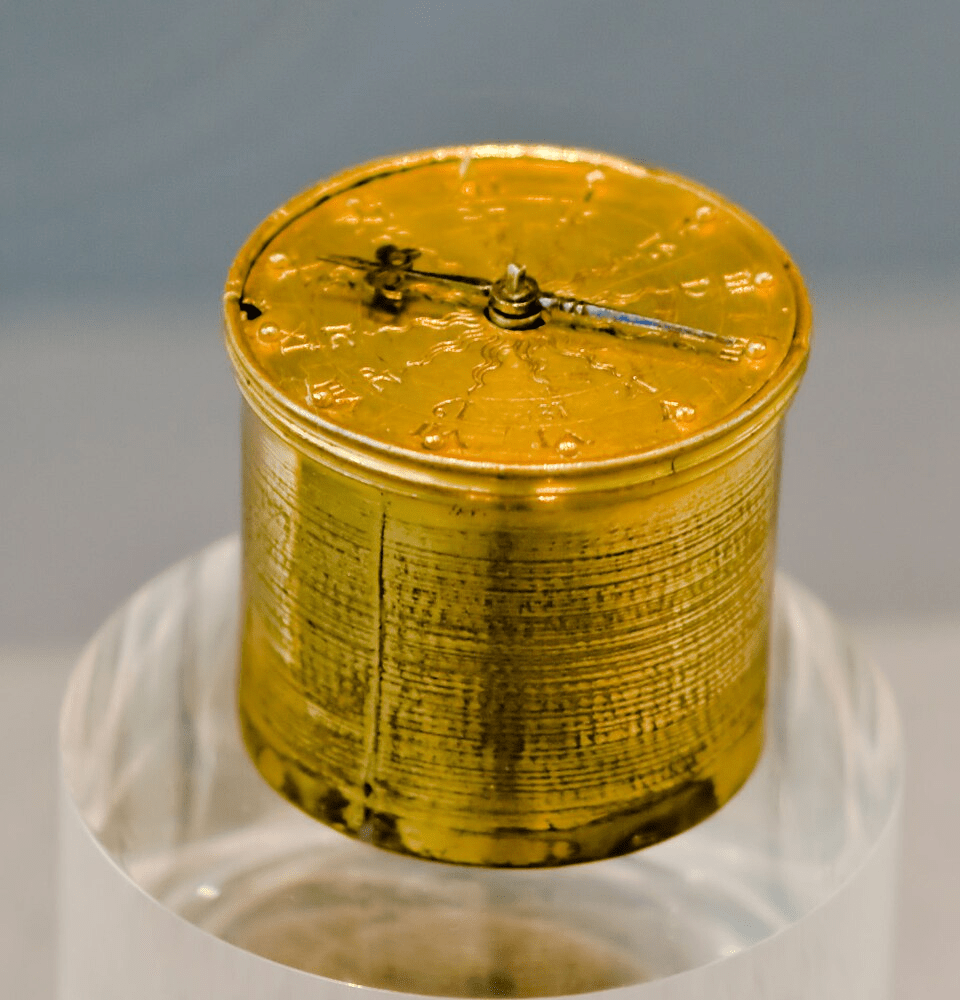
As watchmaking advanced through the 17th and 18th centuries, pocket watches became slimmer, more accurate, and increasingly decorative—status symbols for nobility and merchants alike. Innovations like the balance spring (1675) and jeweled movements greatly enhanced accuracy and durability.

The Birth of the Wristwatch: War, Women, and Innovation
Despite their elegance, pocket watches had a flaw—they needed two hands to check the time. The idea of strapping a timepiece to the wrist was initially considered feminine. But practicality changed everything.
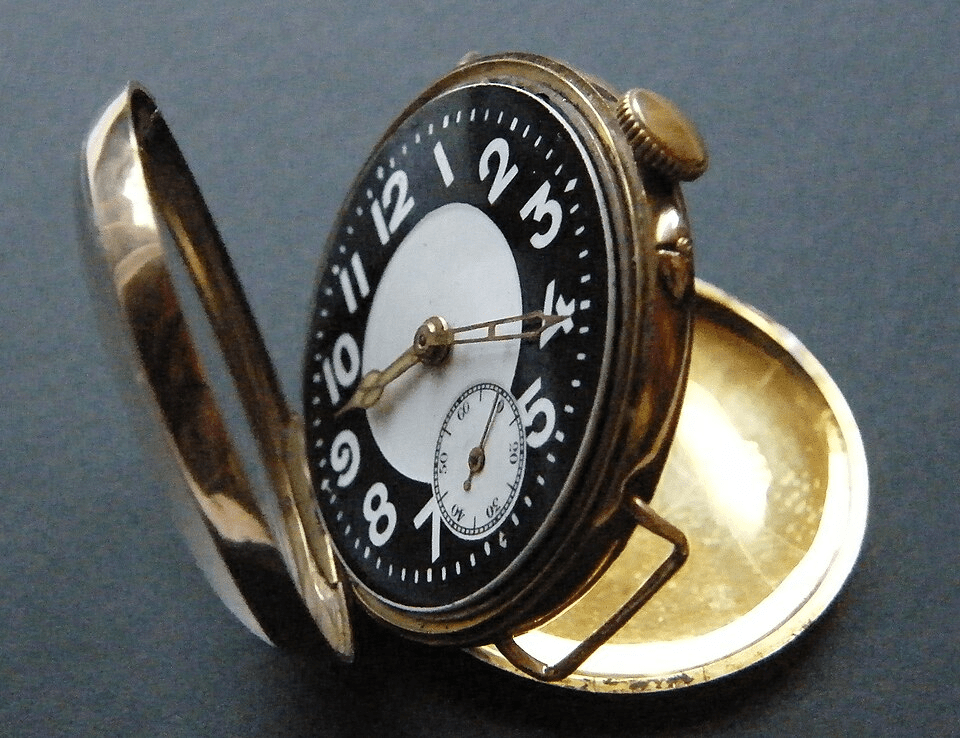
During the Boer War and World War I, soldiers began wearing modified pocket watches on their wrists for quick access. Military utility made wristwatches masculine, reliable, and essential.
By the 1920s, brands like Rolex, Longines, and Cartier were producing dedicated wristwatches for men. The transition was complete—wristwatches became the new standard.
The Quartz Revolution: Accuracy vs. Tradition
In 1969, the world changed again when Seiko released the Astron, the first commercial quartz watch. Accurate to within seconds per month, it triggered the Quartz Crisis, nearly destroying the Swiss mechanical watch industry.
Brands like Omega, Tissot, and even Rolex scrambled to catch up. Meanwhile, Swatch emerged in the 1980s with colorful, affordable quartz watches, helping Switzerland regain relevance with mass-market appeal.

Mechanical Renaissance: Art Meets Engineering
Despite quartz dominance, mechanical watches made a comeback in the 1990s and 2000s. No longer about pure utility, they became luxury items, heritage symbols, and feats of engineering.
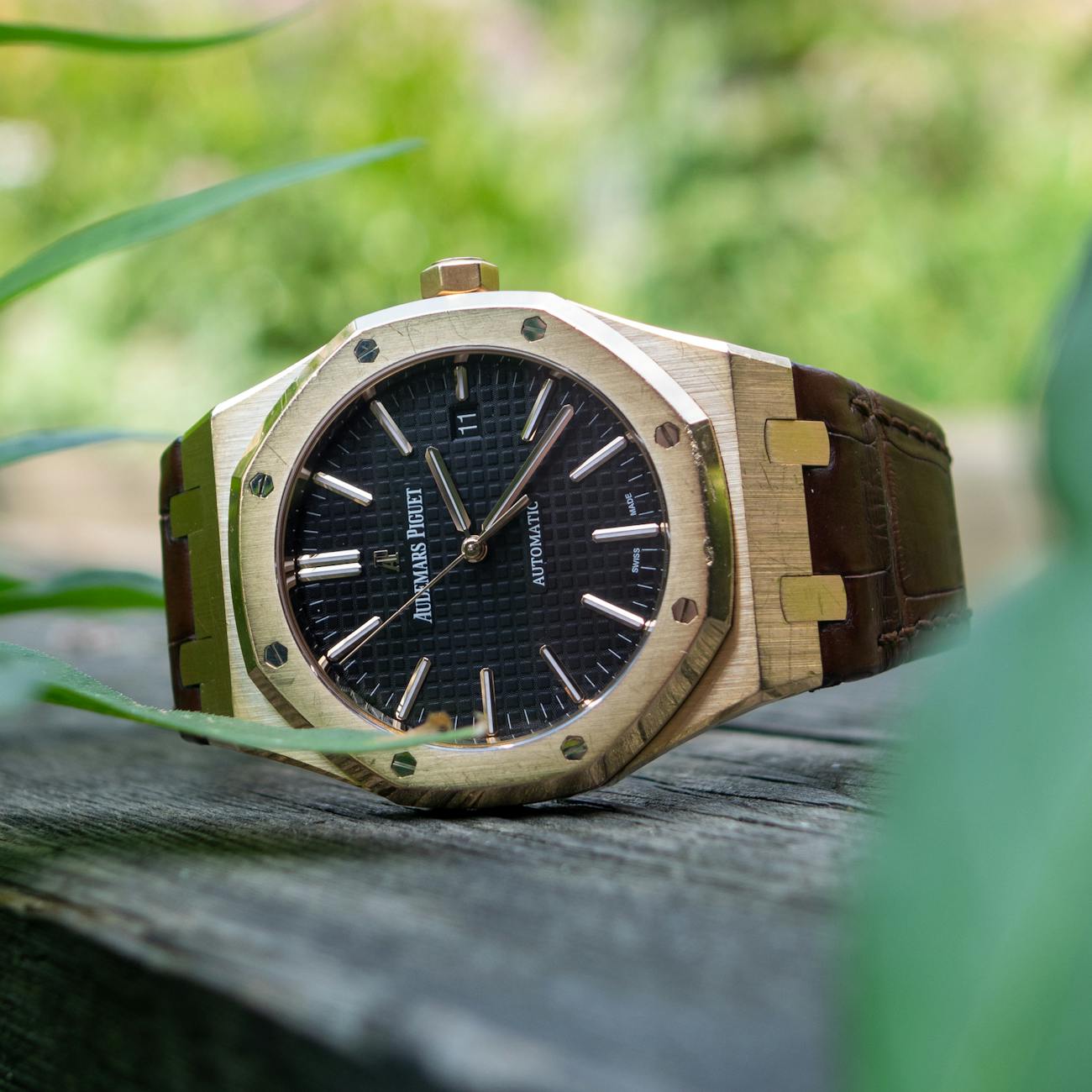
Collectors revered the ticking heartbeat of an automatic movement, the craftsmanship behind hand-finished cases, and the legacy behind names like Patek Philippe, Audemars Piguet, and Rolex.
The Smartwatch Era: The Future on Your Wrist?
The 2010s ushered in a new contender: the smartwatch. Apple, Samsung, and Garmin blurred the line between fitness trackers, notifications, and health monitoring. Yet, traditional mechanical watches haven’t disappeared.
Instead, horology is entering a hybrid phase:
- Mechanical watches = emotion, legacy, craftsmanship
- Smartwatches = utility, data, innovation
We might see mechanical hybrids (like Grand Seiko’s Spring Drive or experimental micro-energy harvesters), watches with blockchain service records (as used by Breitling and Vacheron Constantin), or AI-assisted movement calibration (still emerging, but being explored in manufacturing and smart hybrid platforms) in the near future.

Final Thoughts: Why Watches Still Matter
In a world of screens and digital clocks, why do we still care about watches?
Because they’re more than tools.
They’re tiny machines that tell time—and timeless stories.
Watches mark moments, carry memories, and express personality like few other objects can.
As horology continues to evolve, one thing remains constant: our fascination with time, and how we wear it.

 Mechanical Minutes
Leave a comment