The Soul in Steel: Why Neo-Vintage Matters
There was a time when the word vintage meant dusty cases and questionable lume. Today, it’s a badge of honor. But lately, a subtler movement has emerged — neo-vintage watches, those quiet marvels from the 1980s to early 2000s that bridge the gap between the purely mechanical past and the modern, over-engineered present.
They carry the quirks of analog watchmaking yet the dependability of sapphire crystals and better water resistance. Collectors love them because they represent the last era before luxury watches became… luxury products.

The Appeal of “Just Old Enough”
Ask any seasoned collector why neo-vintage sings, and they’ll talk about character. These pieces often have:
- Early automatic chronometer movements without silicon parts.
- Slimmer cases, before the “wrist tank” era.
- Aging tritium lume that tells time as much as it tells stories.
- Honest pricing—many remain attainable for enthusiasts priced out of modern hype pieces.
Neo-vintage sits in the Goldilocks zone: old enough to have patina, new enough to wear daily.
Examples That Define the Era
Here are a few models driving the trend:
| Watch | Era | Movement | Why It’s Hot |
|---|---|---|---|
| Rolex Explorer II 16550/16570 | 1990s | Cal. 3185 | Pre-ceramic purity, understated tool watch feel |
| Omega Speedmaster “Reduced” | 1990s | Cal. 1140 | Smaller case, mechanical charm |
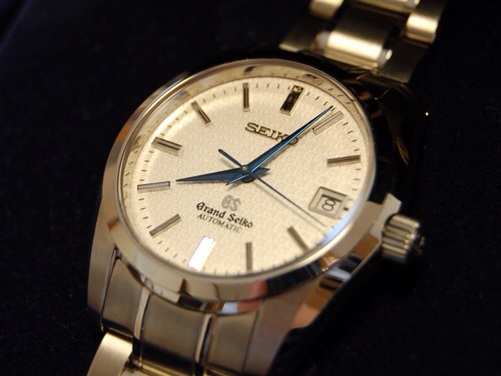
| Grand Seiko 9S Series | Late 1990s | 9S55 | Japan’s quiet precision rebirth |
| Zenith El Primero Rainbow | 1990s | 400 El Primero | Color, charisma, and pedigree |


Why Collectors Are Letting the Hype Pass By
The past few years have seen Instagram-driven hype cycles that make prices swing like pendulums. But a growing crowd of enthusiasts is turning inward — toward pieces that feel like their own. Neo-vintage scratches that itch.
They reward study, patience, and taste rather than hype-chasing. As one collector put it, “It’s the difference between wearing a story and wearing a billboard.”
Where This Is Headed
Brands have noticed. You can see neo-vintage DNA in modern designs: the Longines Heritage line, Tudor’s Black Bay 54, and TAG Heuer’s Carrera reissues. Even independents like Baltic and Serica are riffing on late-century aesthetics with 21st-century specs.
If history repeats, we’re witnessing the “neo-vintage bubble” forming—only this one’s built on genuine affection, not speculation.
 Mechanical Minutes
Leave a comment