
Whether you’re buying a desk-diver or a saturation-ready diver’s tool, that little “50 m,” “10 bar,” or “300 m” on the dial is easy to misread. Below is a guide that demystifies laboratory ratings, explains why depth ≠ real-world use, and shows exactly which activities each rating can (and can’t) handle.
1. How Watchmakers Test Water Resistance
| Term on Watch | What It Actually Refers To | Typical Test Method |
|---|---|---|
| Meters (m) | Static depth in still, room-temperature water. | Pressure chamber gradually pressurized to equivalent depth, held for ~10 min. |
| Bar / Atmospheres (ATM) | 1 bar ≈ average sea-level atmospheric pressure (14.5 psi). | Same chamber test; 10 bar = 100 m, 20 bar = 200 m, etc. |
Key point: Tests are static—the watch simply sits there in a chamber. Real-world activities (swimming strokes, faucet jets, sudden temperature swings) create dynamic pressure spikes far higher than the label suggests.
2. Depth Ratings vs. Real-Life Water Sports
| Rating | Casual Hand-Washing & Rain | Shower | Swimming Pool | Snorkeling, Kayaking, Water-Skiing | Recreational Scuba (≤40 m) |
|---|---|---|---|---|---|
| 30 m / 3 bar | ✅ | ⚠️ Steam & soap can sneak past gaskets | ❌ | ❌ | ❌ |
| 50 m / 5 bar | ✅ | ✅ Avoid hot sprays | ✅ Easy laps ⚠️ Vigorous laps | ❌ | ❌ |
| 100 m / 10 bar | ✅ | ✅ | ✅ Vigorous laps | ✅ Snorkeling, kayaking, water-skiing | ⚠️ Risky |
| 200 m / 20 bar | ✅ | ✅ | ✅ | ✅ | ✅ Recreational scuba |
| 300 m+ / ISO 6425 Diver’s | ✅ | ✅ | ✅ | ✅ | ✅ All air-tank diving |
*Why “⚠️” at 100 m? Laboratory 10 bar tests don’t simulate the rapid pressure changes, water impact, and prolonged immersion of scuba. Unless your watch also states “Diver’s 100 m” (ISO 6425), stick to snorkeling or shallower fun.
3. Why 100 m Isn’t Automatically “Scuba-Safe”
- Dynamic pressure spikes – A freestyle arm pull can momentarily multiply pressure by 3-5×.
- Thermal shock – Jumping from a hot deck into 20 °C water shrinks seals.
- Long dwell time – A 40-minute dive keeps gaskets under load far longer than a 10-minute lab test.
- ISO 22810 vs. ISO 6425 – Most watches only meet the general-purpose ISO 22810 guideline (formerly “Water-Resistant”). ISO 6425 adds vibration, salt-fog, shock, temperature-cycle, and 25 % extra pressure margin tests—then allows the “Diver’s” label.
4. Reading the Fine Print

| Marking | What It Implies | Typical Use Case Examples |
|---|---|---|
| “Water-Resistant 30 m” | Minimal splash defense. | Rainy commute, washing hands. |
| “W.R. 50 m” | Light aquatic play. | Casual swim, hotel pool selfie. |
| “100 m / 10 ATM” | Robust for surface sports. | Snorkeling reefs, jet-skiing, SUP. |
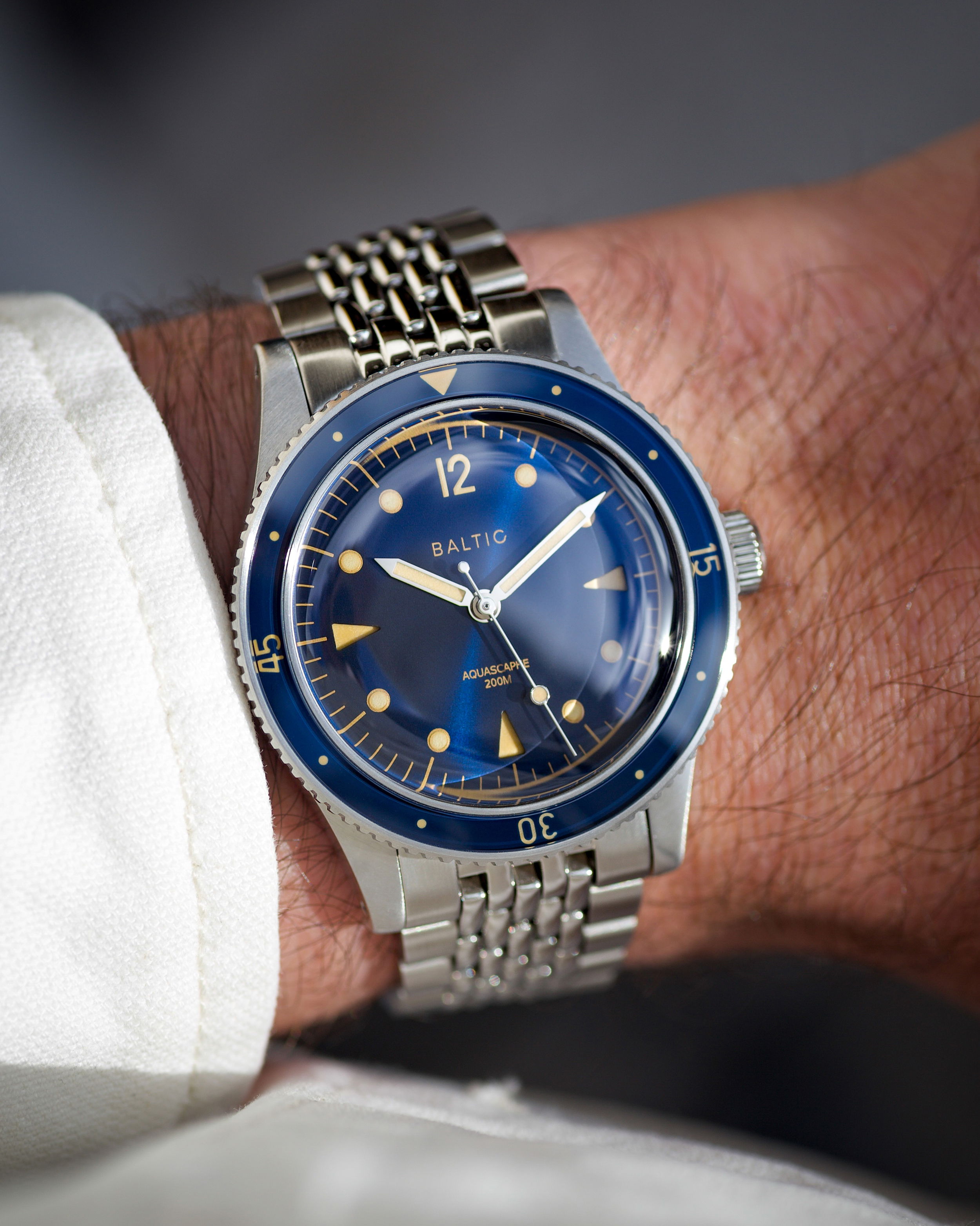
| “Diver’s 200 m” | ISO 6425 certified; readable in dark, unidirectional bezel, antimagnetic, etc. | Open-water diving, PADI class watch. |
| “Diver’s 300 m with HeV” | Built for saturation work; helium-escape valve. | Commercial bell diving, mixed gas, professional tool watch realm. |
5. Care & Maintenance Tips
- Rinse after salt or chlorine – Prevent gasket-eating crystal deposits.
- Avoid hot tubs – Heat + chemicals accelerate seal fatigue.
- Service the seals – Manufacturers recommend pressure tests every 1-2 years if you actually swim.
- Crown discipline – Screw it down firmly before touching water, never under it.
- Don’t test fate – If the watch is sentimental or vintage, treat the rating as historical fiction.
6. Myth-Busting Quick Hits
- “My 100 m watch survived a 50 m dive, so it’s fine.” Maybe today—gaskets age.
- “30 m watches leak only if defective.” Regular shower heat alone can defeat them.
- “Helium valves are marketing fluff.” Not if you live in a saturation chamber for days; otherwise, yes, mostly bragging rights.
8. Bottom Line
Water-resistance markings are guides, not guarantees. Treat a 50 m watch as a pool buddy, a 100 m as a snorkel pal, and a Diver’s 200 m as your scuba wingman. Anything less? Keep it high and dry—or at least above the splash line.
Stay ticking!
Share & Subscribe
If this deep dive made you look at your wrist differently, share the post and subscribe to Mechanical Minutes for more no‑nonsense horology every week.












 Mechanical Minutes


.jpg)

.jpg)


.jpg)