Tag: mechanical-watches

  • Silicon in Mechanical Watches

    Silicon in Mechanical Watches

    Silicon in Mechanical Watches Explained

    For decades, traditionalists viewed silicon as incompatible with mechanical watchmaking. Today, it sits inside movements from Patek Philippe to Omega. Silicon did not replace tradition. It refined it.

    This article explains what silicon does inside a mechanical watch, why brands adopted it, and whether it truly matters to collectors.


    What Silicon Means in Watchmaking

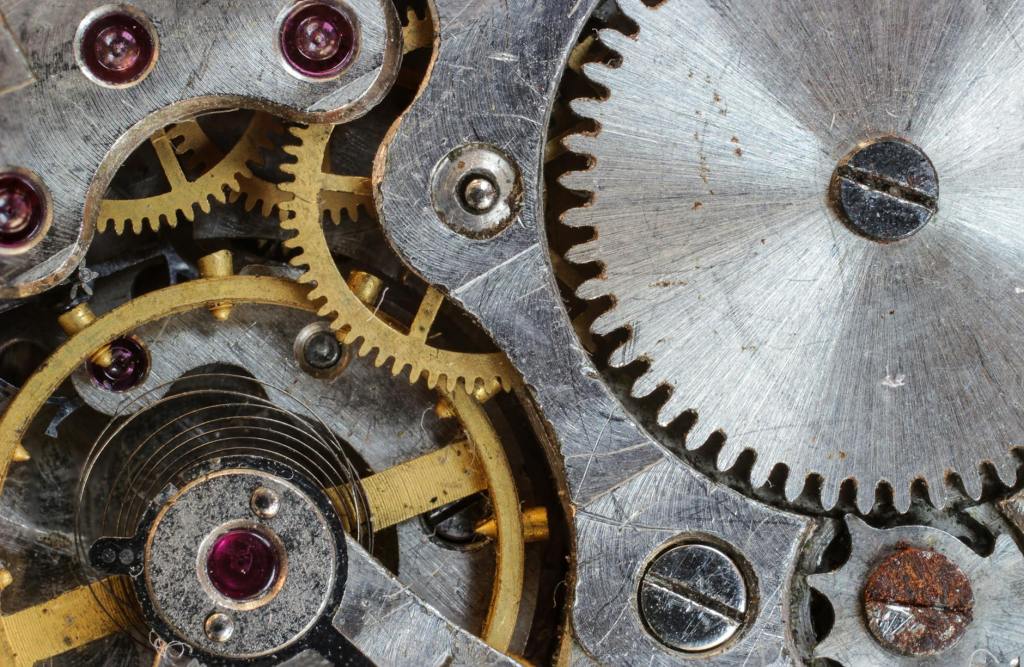
    In horology, silicon refers to monocrystalline silicon manufactured using micro engineering processes adapted from the semiconductor industry. These parts are grown and etched rather than machined.

    Silicon is most commonly used for:

    • Balance springs
    • Escapement wheels
    • Pallet forks
    • Impulse components

    Its appeal lies in precision at microscopic tolerances that are difficult to achieve consistently with traditional alloys.


    Why Watch Brands Adopted Silicon

    The move toward silicon was driven by physics rather than cost reduction.

    Natural Resistance to Magnetism

    Silicon is non ferrous and cannot become magnetized. This directly addresses one of the most common modern causes of poor timekeeping, especially in daily wear environments filled with electronic devices.

    Extreme Geometric Precision

    Silicon components are etched to exact specifications and do not suffer from deformation during manufacturing. This consistency improves isochronism and reduces variation across positions.

    Reduced Dependence on Lubrication

    Certain silicon escapement interfaces require reduced lubrication compared to traditional components. This helps limit oil degradation and wear over time, contributing to more stable long term performance.


    Silicon Balance Springs and Rate Stability

    The balance spring benefits more from silicon than any other component in a mechanical movement.

    Key advantages include:

    • Stable elasticity across temperature changes
    • Resistance to shock induced deformation
    • Consistent geometry over long periods of use

    Silicon does not automatically make a watch accurate. Accuracy still depends on regulation. However, improved rate stability makes it easier for a properly regulated movement to maintain consistent performance. This is one reason many METAS certified calibers rely heavily on silicon balance springs.


    Which Brands Use Silicon Today

    Silicon adoption spans industrial production and high horology.

    BrandSilicon Application
    OmegaBalance spring and escapement components
    Patek PhilippeSpiromax balance spring
    RolexSyloxi balance spring
    Ulysse NardinSilicon escapement architecture
    BreguetBalance spring and escapement

    Modern Geneva Seal requirements permit silicon components, and COSC and METAS certification bodies evaluate performance rather than material tradition.


    Does Silicon Reduce Craftsmanship

    This concern appears frequently in collector discussions and is largely philosophical.

    While silicon parts are fabricated using advanced processes, movements that use them still rely on:

    • Manual assembly
    • Traditional finishing techniques
    • Skilled regulation
    • Human quality control

    Silicon changes how parts are produced, not how movements are built or adjusted.


    Servicing and Long Term Viability

    Silicon components are modular and replaceable when supported by the manufacturer. Brands that use silicon commit to long term parts availability within their service networks.

    Many independent watchmakers now train to service silicon equipped movements, although access to replacement parts remains brand controlled. This limitation applies equally to proprietary traditional components.

    The long term risk lies in supply policy rather than the material itself.


    Should Collectors Care About Silicon

    Collectors should care for practical reasons rather than ideology.

    • Better resistance to modern magnetic exposure
    • Improved rate consistency in daily wear
    • Reduced sensitivity to environmental changes

    Silicon does not make a watch less mechanical. It makes it more resilient to how watches are actually worn today.


    Final Thoughts

    Silicon is no longer experimental. It is established, proven, and deeply integrated into modern mechanical watchmaking.

    Just as shock protection once changed expectations for durability, silicon quietly reshaped expectations for consistency and reliability. Ignoring it today means ignoring how mechanical watches evolved to survive the modern world.
  • Year of the Horse Treasures

    Year of the Horse Treasures

    Horology Meets Chinese Zodiac

    The Chinese zodiac is a centuries-old system that associates each year with an animal, each symbolizing distinct traits. The horse represents energy, strength, and freedom, inspiring artistry and symbolism in culture and horology alike. In haute horology, creating watches for the Chinese zodiac has become a refined trend, blending technical mastery with cultural storytelling.


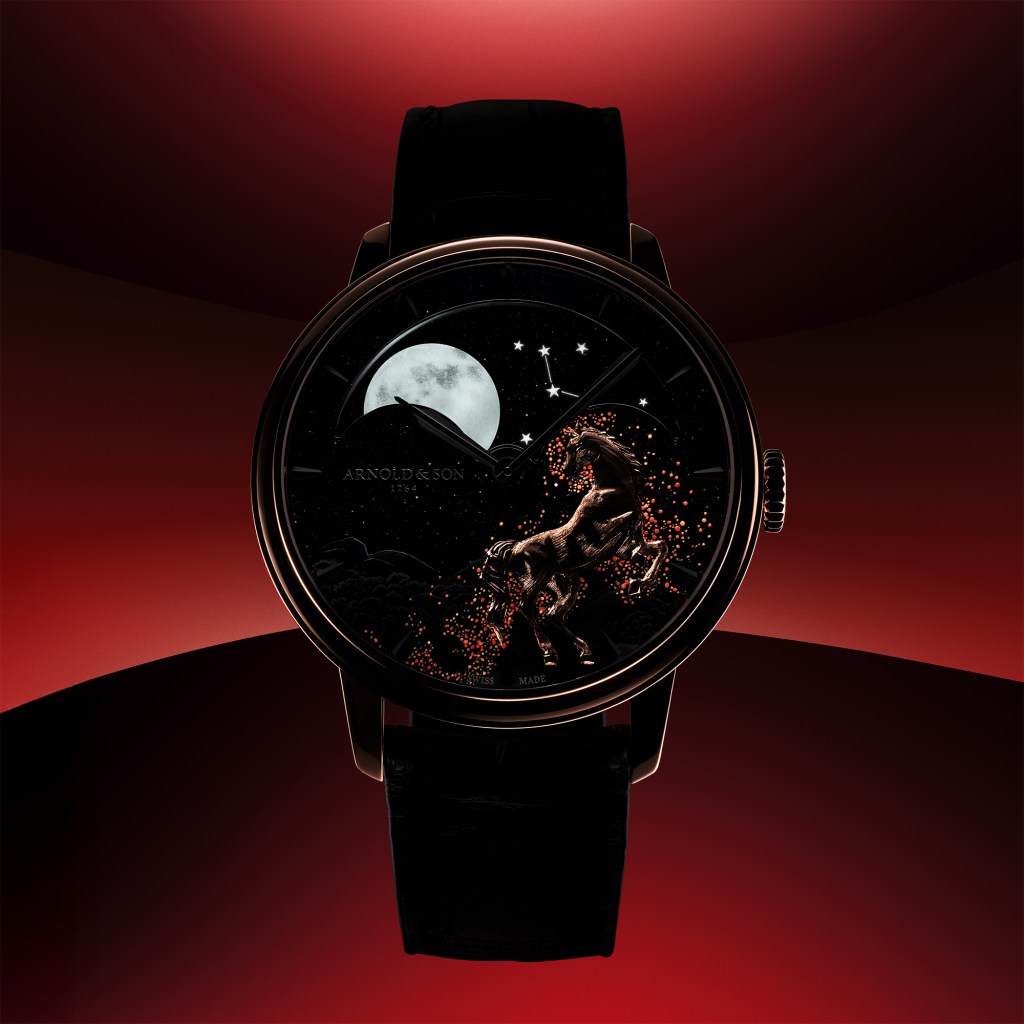
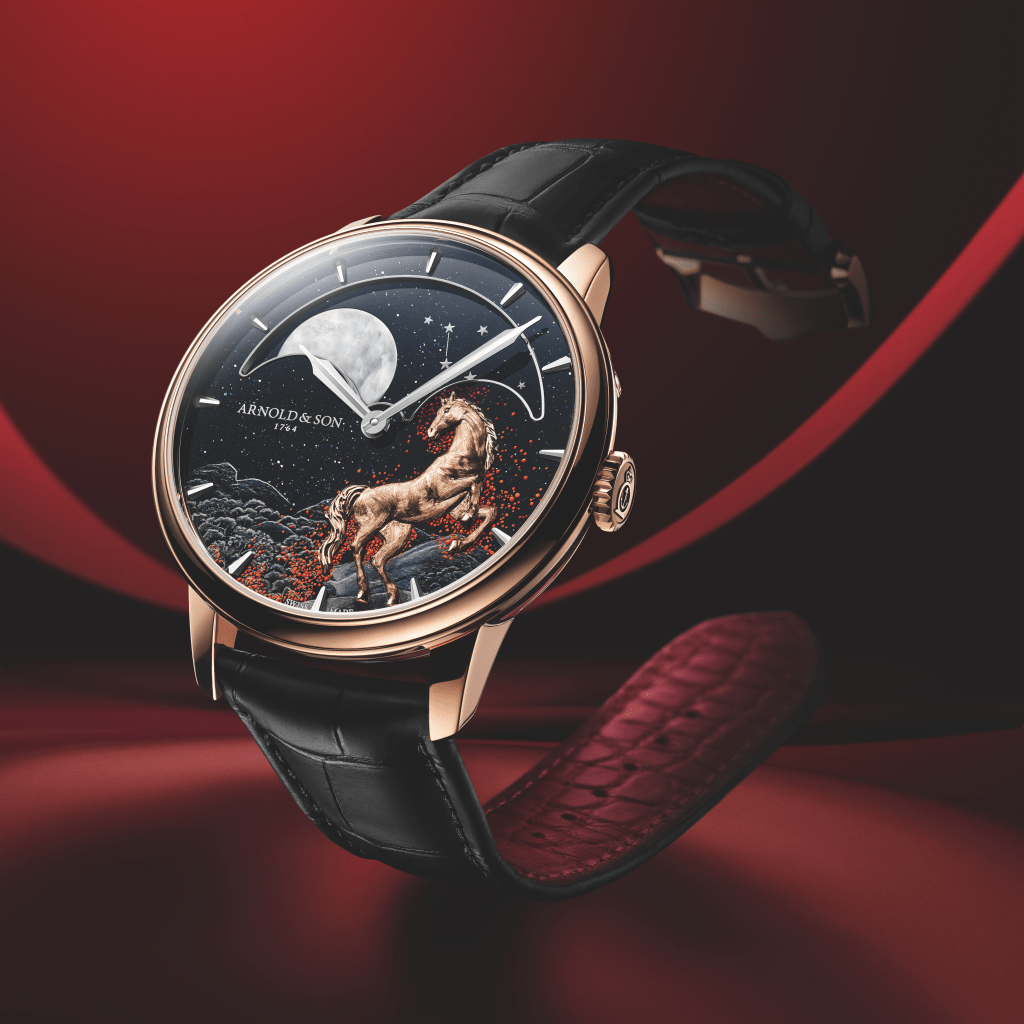
    Arnold & Son Year of the Horse Perpetual Moon

    Arnold & Son crafted a dramatic red gold limited edition celebrating the Year of the Horse. The watch features dual moonphase displays, delicate hand engraving, and exquisite finishing. With only eight pieces available, it is a statement of both artistry and horological precision.

    Key highlights

    • Dual moonphase complication
    • Hand-engraved red gold dial
    • Extremely limited edition of eight pieces
    Arnold & Son Year of the Horse Perpetual Moon
    Source: Arnold & Son Press

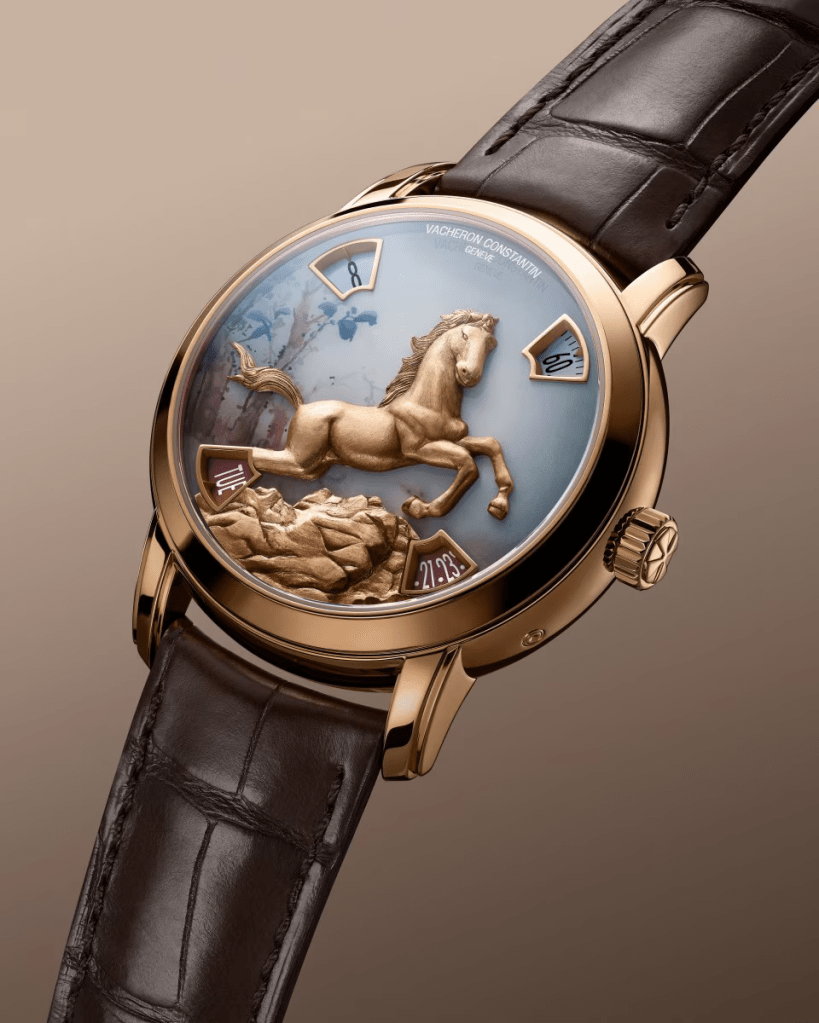
    Vacheron Constantin The Legend of the Chinese Zodiac – Year of the Horse

    Vacheron Constantin takes haute horology to its pinnacle, combining artistry and mechanical complexity. The watch features intricate engraving and enamel work, capturing the horse in vivid detail. Limited availability makes it a collector’s trophy.

    Key highlights

    • Exquisite engraving and enamel artistry
    • Complex mechanical movement
    • Part of Vacheron Constantin’s Legend of the Chinese Zodiac series
    Vacheron Constantin The Legend of the Chinese Zodiac – Year of the Horse
    Source: Vacheron Constantin Press

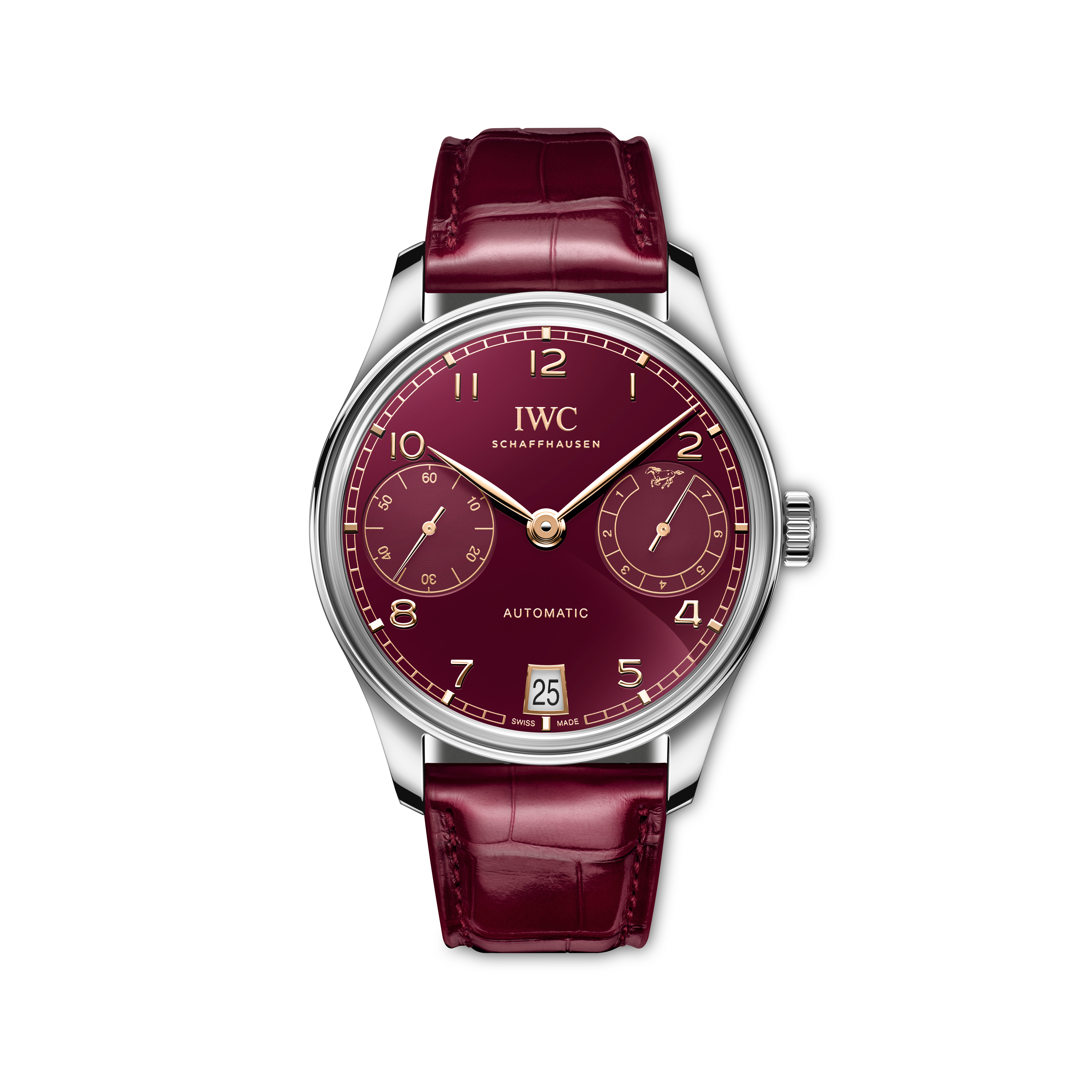
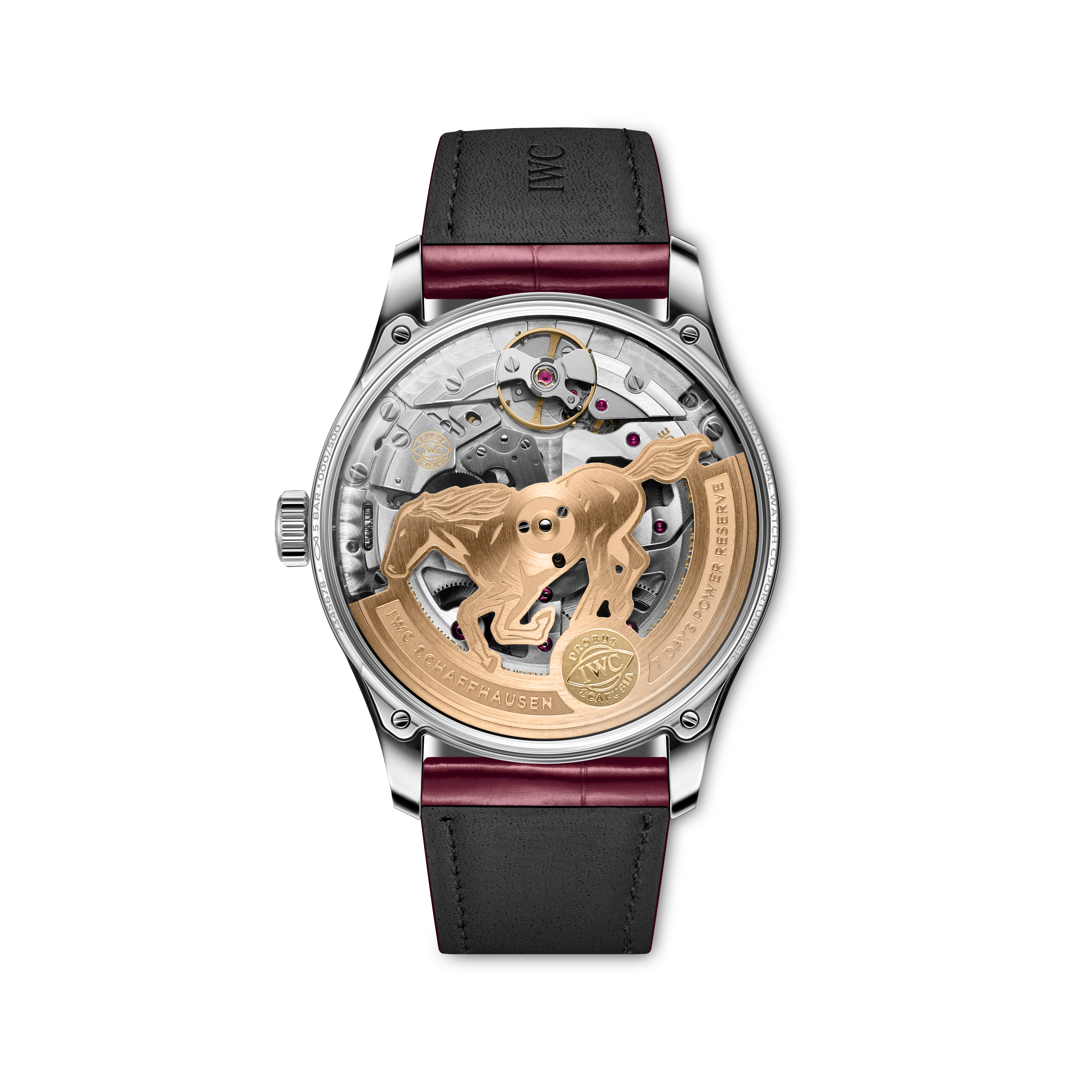
    IWC Portugieser Year of the Horse Limited Edition

    IWC marks the occasion with its Portugieser case, combining classical elegance with subtle zodiac details. This edition highlights IWC’s dedication to understated luxury while honoring cultural heritage.

    Key highlights

    • Iconic Portugieser design
    • Engraved Year of the Horse motif
    • Limited to collectors seeking sophistication

    Source: IWC Media


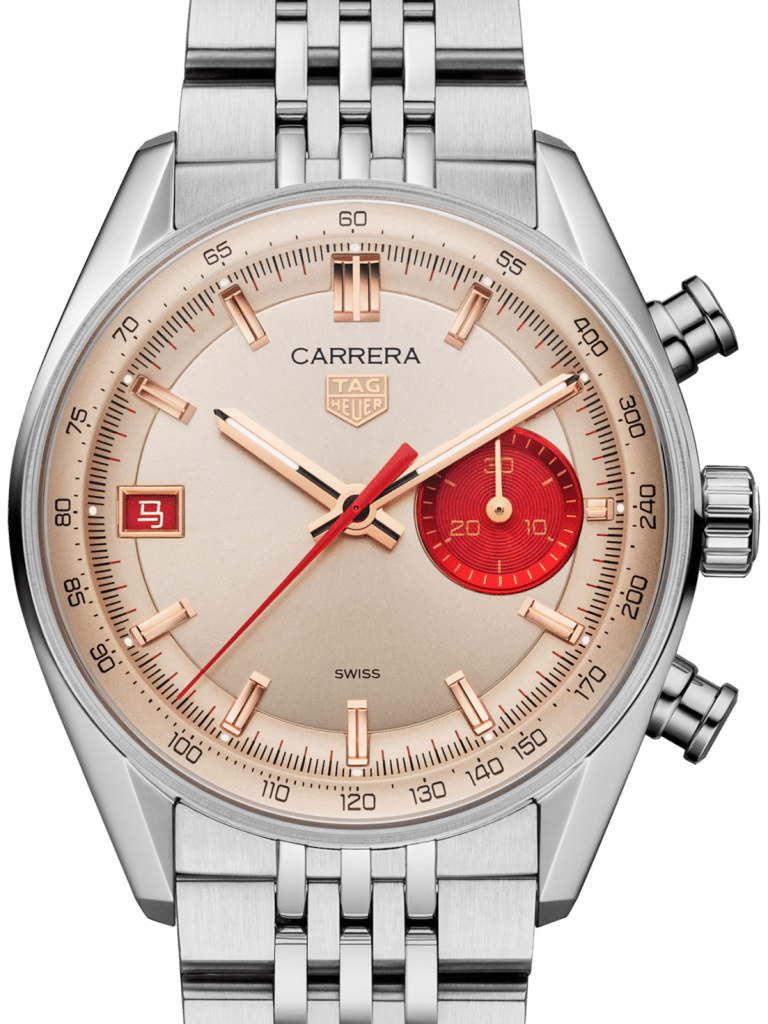
    Tag Heuer Carrera Year of the Horse

    TAG Heuer takes a playful yet refined approach, integrating the Chinese character for horse into its classic Carrera chronograph. Limited to 250 pieces, it balances everyday wearability with cultural symbolism.

    Key highlights

    • Classic Carrera chronograph layout
    • Subtle zodiac integration
    • 250-piece limited edition
    Tag Heuer Carrera Year of the Horse
    Source: TAG Heuer Media Center

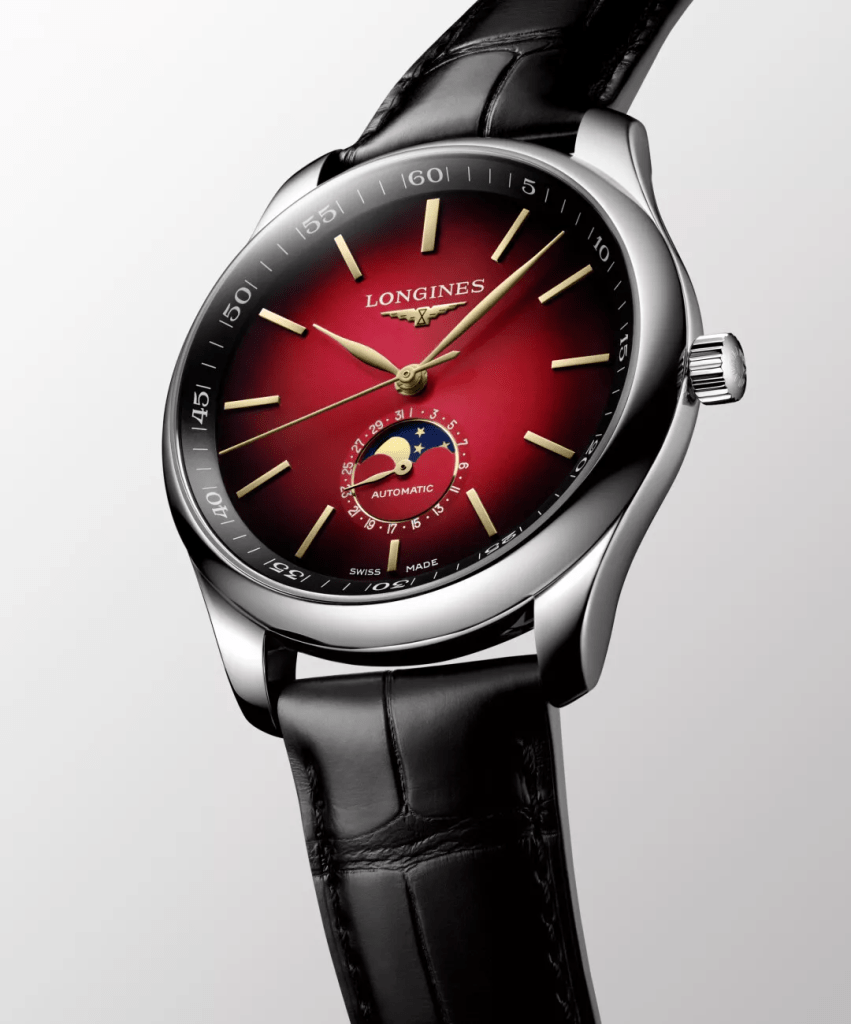
    Longines Master Collection Year of the Horse

    Longines celebrates with a Master Collection piece featuring delicate horse motifs on the dial and meticulous finishing. It embodies the brand’s heritage and approachability for collectors.

    Key highlights

    • Horse motif on dial
    • Automatic movement from Longines
    • Part of the Master Collection tradition
    Longines Master Collection Year of the Horse
    Image Source: Longines Media Center

    These timepieces are more than watches. They are celebrations of culture, craftsmanship, and the spirit of the horse. May the Year of the Horse bring you energy, success, and good fortune in every moment. Stay ticking!

  • Watch Accuracy Explained COSC vs METAS

    Watch Accuracy Explained COSC vs METAS

    Watch Accuracy Explained: COSC vs METAS

    Accuracy is one of the most discussed topics in watch collecting forums and search results. Yet it remains widely misunderstood, especially when certifications like COSC and METAS are involved.

    This article explains how mechanical watch accuracy works, what COSC and METAS actually test, and how much these certifications matter in daily wear.


    What Watch Accuracy Really Means

    Watch accuracy refers to how much time a watch gains or loses over a twenty four hour period. This deviation is expressed as seconds per day.

    For example:
    • +5 seconds per day means the watch runs fast.
    • -8 seconds per day means the watch runs slow.

    Mechanical watches rely on a balance wheel, escapement, and mainspring. This makes them sensitive to gravity, position, temperature, and wear. Unlike quartz, accuracy is never absolute.


    Typical Accuracy Ranges for Mechanical Watches

    Realistic expectations matter more than marketing claims.

    Watch CategoryExpected Accuracy
    Entry level mechanical-20/+40 seconds per day
    Mid range mechanical-10/+20 seconds per day
    Well regulated mechanical-5/+10 seconds per day
    Certified chronometer-4/+6 seconds per day

    These ranges assume the watch is worn regularly and is in good mechanical health.


    What COSC Certification Actually Tests

    Image Courtesy – COSC

    COSC is the Swiss Official Chronometer Testing Institute. It evaluates uncased movements over several days in controlled conditions.

    Key COSC requirements include:
    • Average daily rate between minus four and plus six seconds.
    • Testing in five positions.
    • Testing across multiple temperatures.
    • Movement only, not the fully assembled watch.

    COSC confirms that a movement meets baseline chronometer standards, but it does not test magnetism, water resistance, or real world wear conditions.


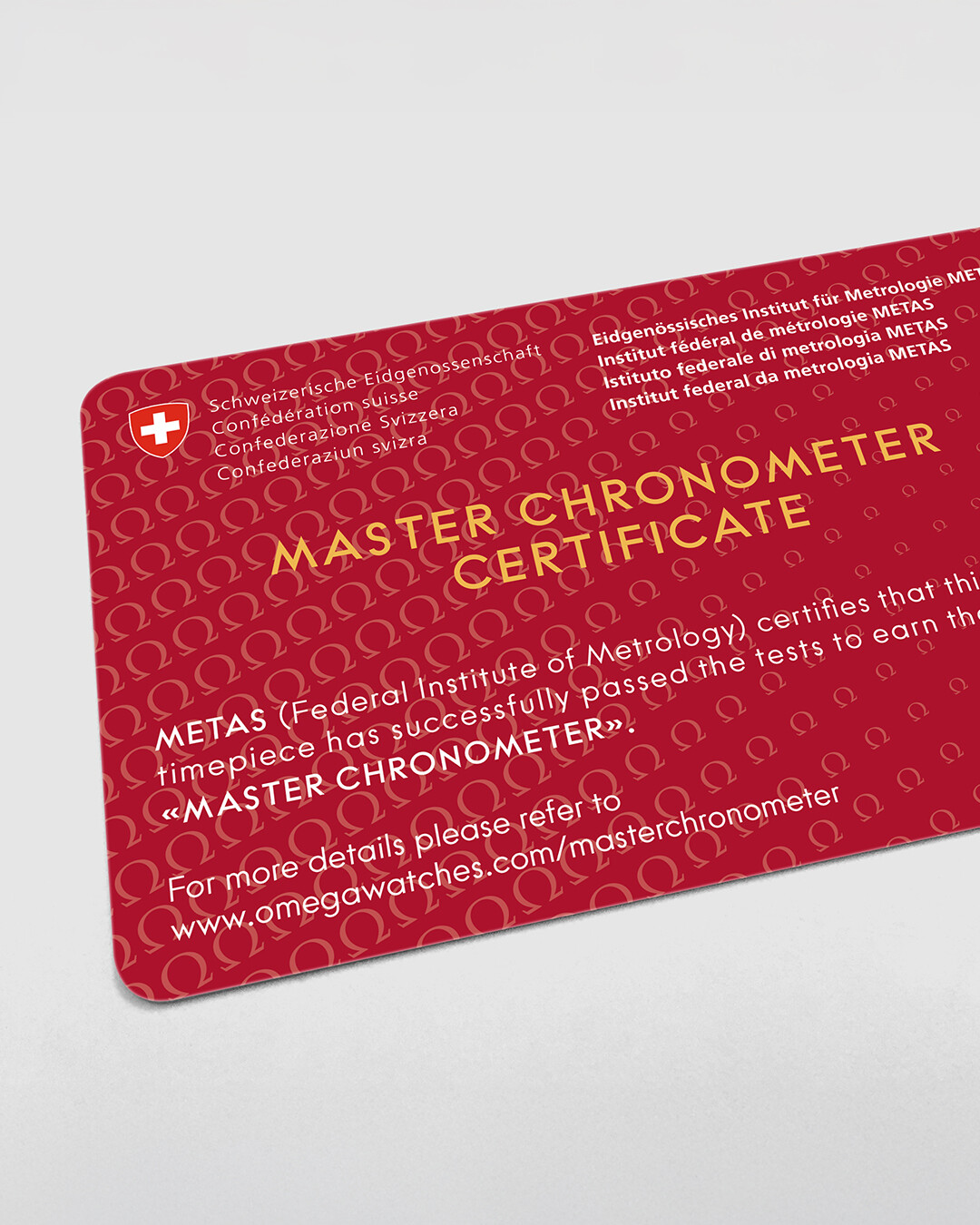
    What METAS Certification Adds Beyond COSC

    Image Courtesy – Omega

    METAS is the Swiss Federal Institute of Metrology and represents a more demanding approach to certification. It tests the fully assembled watch rather than just the movement.

    METAS requirements include:
    • Accuracy between 0/+5 seconds per day.
    • Testing in 6 positions.
    • Resistance to strong magnetic fields.
    • Verification of power reserve.
    • Water resistance testing.
    • Accuracy testing after magnetic exposure.

    METAS evaluates how the entire watch performs in conditions closer to daily use.


    COSC vs METAS: Key Differences

    AspectCOSCMETAS
    Tests movement onlyYesNo
    Tests complete watchNoYes
    Magnetism resistanceNoYes
    Accuracy range-4/+6 seconds0/+5 seconds
    Power reserve verifiedNoYes

    COSC remains widely respected and relevant. METAS builds on it with broader real world validation.


    Positional Variance and Daily Wear Impact

    Mechanical watches behave differently depending on position. This is known as positional variance.

    Common observations include:
    • Dial up may gain time.
    • Crown down may lose time.
    • Side positions vary by movement architecture.

    Many collectors fine tune accuracy by resting their watch overnight in a position that offsets daytime gain or loss.


    Accuracy vs Precision: Why the Difference Matters

    Accuracy measures closeness to real time.
    Precision measures consistency
    .

    A watch that loses eight seconds every day consistently is precise. A watch that gains five seconds one day and loses ten the next is not. Precision allows effective regulation, while accuracy alone does not.


    Regulation and Servicing Matter More Than Certification

    Image Courtesy – COSC

    Certification does not replace proper regulation and maintenance.

    Accuracy depends heavily on:
    • Quality of regulation.
    • Condition of lubrication.
    • Exposure to magnetism.
    • Shock history.
    • Wearing habits.

    A well regulated non certified watch can outperform a poorly maintained certified one.


    What Accuracy Should You Expect as a Collector

    For everyday mechanical watches:
    • Within +/-10 seconds per day is excellent.
    • Up to 15 seconds per day is reasonable.
    • Beyond 30 seconds suggests regulation or servicing is needed.

    Mechanical watches are not about perfect timekeeping. They are about engineering, craftsmanship, and consistency.


    Final Thoughts

    COSC and METAS are useful benchmarks, not guarantees. Understanding what they test helps you judge accuracy realistically rather than emotionally.

    A stable, consistent mechanical watch is performing exactly as intended.


    Latest Posts

  • Watchmakers Beyond Patek, Rolex & AP

    Watchmakers Beyond Patek, Rolex & AP

    A Look Past the Usual Icons

    Patek Philippe, Rolex, and Audemars Piguet dominate the modern imagination. These maisons built reputations that echo far beyond watch collecting. Yet a quieter and more intricate world exists past these giants.

    It is a world defined by invention, obsessive craft, unusual mechanical ideas, and the kind of focus that can only come from creators who refuse to scale beyond what their hands can control. This is where connoisseurs drift when they want substance rather than status alone


    F. P. Journe and the Philosophy of Originality

    François Paul Journe founded his company with a personal promise printed on every dial: made according to an ideal. His approach blends classical inspiration with mechanical ideas drawn from the fringes of traditional engineering.

    Signature Creations

    Chronometre a Resonance
    Two balances that influence one another through natural resonance, producing a form of timekeeping that is as rare as it is elegant.

    Tourbillon Souverain
    A tourbillon paired with a constant force system that stabilizes torque for improved precision.

    Elegante Collection
    A quartz movement designed with the seriousness of a mechanical caliber, capable of entering a rest state to preserve energy.

    Expected Retail Range

    Time only models begin around thirty thousand dollars.
    Complications range widely from eighty thousand dollars upward.
    Tourbillons and resonance pieces regularly exceed two hundred thousand dollars.

    A close-up view of an F.P. Journe wristwatch
    Rama, CC BY-SA 2.0 FR https://creativecommons.org/licenses/by-sa/2.0/fr/deed.en, via Wikimedia Commons

    Breguet and the Birth of Modern Horology

    Founded in seventeen seventy five, Breguet is the cradle of many concepts that now seem foundational. The tourbillon, the use of engine turned surfaces, and the open tipped hands the world still associates with the brand all began here.

    Today Breguet’s work remains quietly majestic. These are pieces for collectors who enjoy the calm of classical design and deep finishing.

    Signature Creations

    Classique Collection
    A study in proportion, featuring enamel dials, thin cases, and refined movements.

    Tradition 7047
    A dramatic fusion of tourbillon and fusee and chain technology that channels eighteenth century theory into a modern stage piece.

    Marine Collection
    Evokes a long history of maritime timekeeping with a contemporary voice.

    Expected Retail Range

    Classique models begin around eighteen thousand dollars.
    High complications extend from sixty thousand dollars to above two hundred thousand dollars.

    Close-up of a Breguet watch featuring a decorative silver dial with multiple subdials, Roman numerals, and a brown leather strap.
    Rama, CC BY-SA 2.0 FR https://creativecommons.org/licenses/by-sa/2.0/fr/deed.en, via Wikimedia Commons

    A. Lange & Söhne and the Saxon Ideal

    After decades of silence during the twentieth century, A. Lange & Söhne returned in nineteen ninety four with a clear mission: to reclaim German precision and present it in an uncompromising modern form.

    Its movements are architectural. Its finishing is disciplined. And its design language is both severe and poetic.

    Signature Creations

    Lange One
    Often called the most successful asymmetrical design in modern watchmaking, built on a strict mathematical grid.

    Datograph Up Down
    A chronograph of such balance and refinement that it is often considered the benchmark of the entire category.

    Zeitwerk
    A mechanical jumping time display powered by a complex constant force mechanism.

    Expected Retail Range

    Many three hand models begin near thirty thousand dollars.
    Datograph and Zeitwerk pieces often range between eighty thousand and one hundred fifty thousand dollars.

    A. Lange & Söhne Lange 1 Daymatic
    A. Lange & Söhne Lange 1 Daymatic © A. Lange & Söhne

    Vacheron Constantin and the Power of Continuity

    Vacheron Constantin has been crafting watches since seventeen fifty five, making it one of the oldest continuously operating maisons in existence. Its work is refined, serene, and deeply tied to the traditions of Geneva.

    Signature Creations

    Patrimony Collection
    Pure minimalism with gentle curves and movements finished to Geneva Seal standards.

    Overseas Collection
    A versatile sports watch with a bracelet known for its comfort and strong technical foundation.

    Historique American 1921
    A driver’s watch with a rotated dial that channels early twentieth century charm.

    Expected Retail Range

    Dress models begin near twenty thousand dollars.
    Complications extend from fifty thousand dollars to two hundred thousand dollars and beyond.

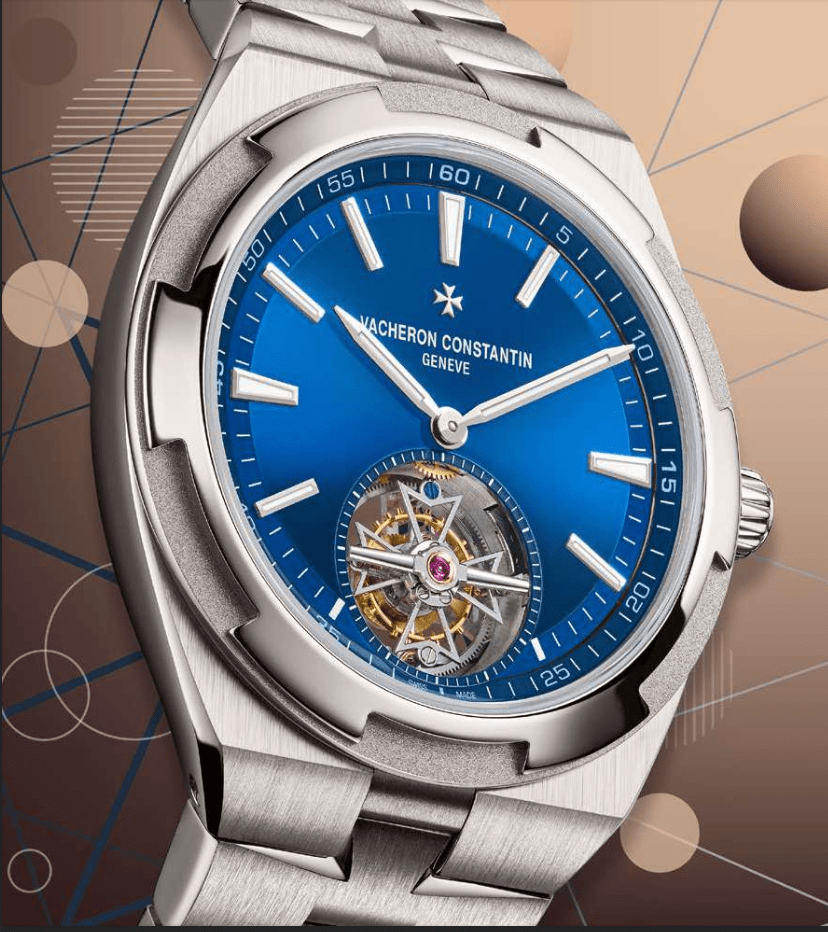
    Vacheron Constantin Overseas Turbillon
    Vacheron Constantin Overseas Turbillon © Vacheron Constantin

    Parmigiani Fleurier and the Cult of Proportion

    Michel Parmigiani began as a restorer of historical pieces, and that background echoes through his designs. Every curve and bevel feels considered. Nothing is loud, yet everything is intentional.

    Signature Creations

    Tonda PF Micro Rotor
    Understated elegance in an ultra thin form, with a warm presence on the wrist.

    Toric Chronograph
    Inspired by classical architectural geometry.

    Kalpa Collection
    A distinctive curved case with in house calibers.

    Expected Retail Range

    Most Tonda PF models fall between twenty thousand and thirty five thousand dollars. Complications stretch upward from fifty thousand dollars.

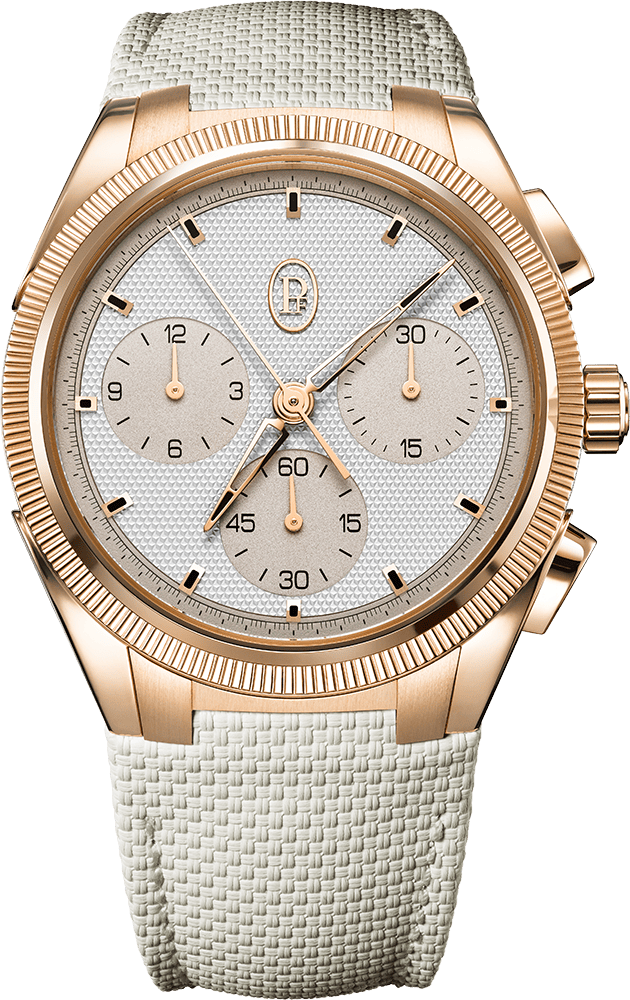
    Parmigiani Fleurier Tonda PF Chronograph
    Parmigiani Fleurier Tonda PF Chronograph © Parmigiani Fleurier

    The Independent Atelier Landscape

    Beyond the heritage maisons is a constellation of independent creators who treat watchmaking as a calling rather than an industry. Their production numbers are often in the dozens rather than thousands.

    Notable Names

    Laurent Ferrier
    Soft lines, natural escapement technology, and serene finishing.

    Voutilainen
    Hand worked dials, vivid color, and extraordinary movement decoration.

    H. Moser and Cie
    Minimalist design blended with surprising technical depth and a willingness to question convention.

    Typical Retail Range

    Most independents begin around thirty thousand dollars and ascend rapidly depending on complications and rarity.

    H. Moser & Cie Streamliner Perpetual Moon Concept Meteorite
    H. Moser & Cie Streamliner Perpetual Moon Concept Meteorite, source: MOSER SCHAFFHAUSEN AG

    Why Explore Beyond the Familiar

    The maisons beyond Patek, Rolex, and AP remind us that watchmaking is not only about prestige. It is about curiosity, courage, and devotion to craft.

    Collectors who follow these paths discover timepieces that reflect more than success. They reflect taste, patience, and a genuine connection to the art.


  • Staying Up-to-Date on Watches in 2025

    Staying Up-to-Date on Watches in 2025

    In horology, things move fast. New releases drop every week, auction results shake up the market, and brands keep reinventing how they connect with enthusiasts. If you want to stay current, you need a set of trusted sources. Here are the platforms I use to keep myself plugged into the watch world.


    Websites Worth Bookmarking

    • Hodinkee – Probably the most recognizable watch media outlet. Best for deep-dive reviews, industry news, and high-quality photography. Great if you want context and storytelling.
    • Fratello Watches – Known for strong editorial opinions and their “Speedy Tuesday” coverage of Omega. Good for thoughtful commentary and in-depth comparisons.
    • Monochrome Watches – Technical breakdowns and detailed reviews, often covering independent and high-horology brands.
    • WatchTime – Traditional magazine style with serious reviews and coverage of the watch fair circuit.
    • Time+Tide – Australia-based, global in reach. Good mix of video, written reviews, and quick news hits.

    YouTube Channels to Follow

    • Watchfinder & Co. – Benchmark channel for visual reviews. Their macro photography is unmatched, making movements and finishing details easy to appreciate.
    • Teddy Baldassarre – Balanced mix of reviews, buying guides, and education on movements and brands.
    • The Urban Gentry – Personal, story-driven approach. Strong on watch history and collecting philosophy.
    • Theo & Harris – Lively, opinionated commentary. Good for learning the cultural side of watches.
    • Just One More Watch – Accessible microbrand reviews and budget-friendly recommendations.

    Social Media Accounts


    Final Thoughts

    Staying updated on watches doesn’t mean chasing every hype drop. It’s about curating sources that give you perspective, whether you’re into Rolex auctions, microbrand discoveries, or movement tech. Pick a few outlets that resonate with your style and you’ll always be in sync with the horological conversation.


  • Watches as a Lifelong Hobby

    A Hobby That Ticks Beyond Time

    Watches are deceptively simple objects. At first glance, they’re just machines that tell time. But anyone who has wound a movement, felt the weight of steel on the wrist, or seen lume glowing in the dark knows that a watch is far more than a utility. It’s history on your wrist, engineering distilled into art, and—most importantly—a conversation starter that can connect you with people in surprising ways.

    Photo by EL Evangelista on Pexels.com

    The Unexpected Conversation at 35,000 Feet

    One of the best things about this hobby is how it breaks down walls between strangers. On a recent flight, I noticed the man seated next to me wearing a Rolex GMT-Master. I leaned over to ask about it, and that simple gesture led to an hour-long conversation. He told me he wears the watch all the time—even when he sleeps—and how it has served him faithfully for years, far outlasting the Tag Heuer Carrera he once owned.

    It struck me that while brands, models, and complications matter, what really counts are the personal stories attached to these timepieces. Watches aren’t just objects—they’re companions to life itself.

    Photo by Pixabay on Pexels.com

    Why Watches Are a Grounded Hobby

    Unlike some hobbies that demand ever-new equipment or extreme conditions, watches stay with you every day. You don’t need to set aside special time—they sit quietly on your wrist, reminding you of the craftsmanship, design, and innovation packed into something smaller than a matchbox. The fact that a purely mechanical movement—gears, springs, and levers—can keep time with such accuracy still feels miraculous in the digital age.

    A Hobby with Layers of Meaning

    • History: Wearing a Speedmaster connects you to the moon landing; a Submariner, to generations of divers.
    • Engineering: Movements like ETA’s Powermatic 80 or Rolex’s 3235 aren’t just specs—they’re living testaments to precision.
    • Aesthetics: The artistry of dials, cases, and complications makes every piece an object of beauty.
    • Community: Enthusiast forums, watch fairs, and even casual office chats weave you into a global network of collectors.
    Photo by Tima Miroshnichenko on Pexels.com

    When a Hobby Becomes a Money Pit

    Collecting watches can quickly spiral into a money pit and even a hoarding problem if you’re not careful. The temptation to chase every new release, every “must-have” limited edition, or every bargain on a sales forum is real. Before long, you’re not curating a collection—you’re filling drawers with watches you barely wear.

    I’ve caught myself on this slope before, realizing that the line between meaningful collecting and compulsive buying can blur easily. The key is to recognize what truly resonates with you and to buy with intention, not impulse.

    Photo by Quang Viet Nguyen on Pexels.com

    Something to Follow Through Life

    Unlike many hobbies that come and go with phases of interest, watches age with you. They gather scratches, patina, and stories along the way. Your daily beater becomes the watch you wore through promotions, milestones, and travels. Your first serious piece becomes the one you’ll hand down, carrying not just timekeeping function but personal history.

    In a world where distractions are endless and hobbies can feel shallow, mechanical watches ground you. They remind you to slow down, to appreciate craftsmanship, and to value continuity.

    Photo by Su00f3c Nu0103ng u0110u1ed9ng on Pexels.com

    Final Thought

    Pursuing watches as a hobby isn’t about chasing luxury or flexing status—it’s about discovering meaning in the mechanical, connecting with people across the world, and finding an anchor you can carry on your wrist for a lifetime. Just remember: a collection should tell your story, not bury it under excess.

  • Watch Lume Guide: Brightness & Types

    Watch Lume Guide: Brightness & Types

    Nothing kills the romance of a diver quicker than a dial that vanishes at dusk. Let’s make sure yours doesn’t.


    What Exactly Is “Lume”?

    Lume is any luminous compound applied to a watch’s hands, indices, or bezel so the wearer can read time in the dark. Modern formulas are either self-charging phosphorescent paints (e.g., Super-LumiNova, LumiBrite) or tiny sealed tritium gas tubes that glow continuously through beta decay.

    Luminova Pigments via Wikimedia Commons (public domain)

    A Two-Minute History Lesson

    • Radium paint (1910s-1960s) – radioactive, banned for safety.
    • Tritium paint (1960s-1990s) – less radioactive but still regulated.
    • Strontium-aluminate pigments (mid-1990s-today) – Super-LumiNova, LumiBrite; non-radioactive, recharge endlessly.
    • Tritium gas tubes (1990s-today) – sealed H₃ vials, always “on,” half-life ≈ 12 years.
    Side-by-side comparison of a watch with illuminated markers in darkness and in light, showcasing luminescence difference.
    Ball watch with Tritium tubes, via Wikimedia Commons, CC BY-SA 3.0.

    Meet the Major Players

    FamilyTypical ColorInitial Brightness*Fade RateNotable Brands
    Tritium Gas TubesGreen / Ice BlueUp to 100× Super-LumiNovaConstant for ~10–12 yrs, then halvesBALL, MB-Microtec, Marathon
    Super-LumiNova C3Pale green100 % baselineFastest first-hour fadeMost Swiss dive watches
    Super-LumiNova BGW9Cool blue-white95 %Slower fade than C3Omega, microbrands
    Rolex ChromalightDeep blue≈ 90 %Very slow, 8-hr legibilityRolex
    Seiko LumiBrite Pro (2024)Vivid greenBrighter & longer than prior LumiBrite3-5 hrs >10× old paintsSeiko Prospex Night Vision

    *Initial brightness relative to C3 baseline. Sources: manufacturer specs & 2024-25 field tests.


    Brightness Showdown (Real-World)

    1. Tritium tubes win in absolute darkness—they never need charging and stay readable even after an all-night flight.
    2. C3 and LumiBrite Pro hit you with a “flashbulb” blast but taper off within the first hour.
    3. BGW9 & Chromalight glow softer yet hold useful legibility for 6-8 hours, which is why I trust my Datejust overnight.
    A close-up of a watch face displaying glowing luminescent markers and hands in a dark environment.
    BGW9 (Rolex) via Wikimedia Commons

    Factors That Affect How Bright Your Watch Glows

    • Pigment thickness & area – Thickly applied markers beat razor-thin dress-watch hands.
    • Light source intensity & duration – UV-heavy LED flashlights top sunlight inside a window.
    • Age & moisture – Even modern paints lose punch after decades; water ingress can kill lume entirely.
    • Crystal tint & AR coatings – Blue AR can slightly cut green wavelengths.

    Caring for Your Lume

    Summarizing what I have learned based on endless browsing about lume:

    • Give the dial a 30-second blast with a UV flashlight before night dives.
    • Avoid prolonged temps > 60 °C; heat accelerates binder degradation.
    • Service vintage tritium only with a qualified watchmaker; loose particles are mildly radioactive.

    Key Takeaways

    • Brightest on paper: Tritium gas tubes, but they dim only after a decade, not hours.
    • Best all-rounder: BGW9 or Chromalight—pleasant hue, slower fade.
    • New contender: Seiko’s LumiBrite Pro lifts traditional paint a notch closer to tritium territory.
  • How to Prevent Watch Scratches

    How to Prevent Watch Scratches

    How I Learned to Prevent Watch Scratches

    When I first got my Sinn 104, I treated it like treasure. I’d gently wipe it down at the end of the day, admire the crisp dial under a lamp, and be extra careful when putting it on. Fast forward a few months—and the clasp looked like it had gone to war. Deep, scattered desk dive marks everywhere.

    It didn’t take long to figure out what was happening: long hours at my desk, wrists brushing against the cold metal edge of my MacBook, and absolutely no wrist protection. The result? A scratched clasp and a lesson in what not to do with your watch.

    If you’ve ever looked down and winced at fresh scratches, here’s a rundown of what really causes them—and how to stop the damage before it starts.

    Close-up of the back of an Omega Speedmaster Professional watch, displaying its engraved logo and clasp.
    Scratched clasp on Omega Speedmaster, via Wkimedia Commons, CC BY-SA 4.0

    1. Desk Diving: The Collector’s Common Enemy

    This is where it all began for me. The constant contact between my Sinn’s stainless steel clasp and the aluminum edge of my MacBook created a perfect storm of micro-abrasions.

    How to Prevent It:

    • Use a desk pad or leather mat—it adds cushioning and elevates your wrist above hard edges.
    • Wear long sleeves or slide your watch further up your wrist.
    • Switch to a fabric or rubber strap if you type a lot.
    • Work off an external keyboard if you use a laptop.

    2. Strap Swaps That Go Wrong

    I love switching straps, but in the early days, I wasn’t using the right tools. One slip of the spring bar tool is all it takes to leave a mark on your lugs or case.

    Prevention Tips:

    • Use a proper spring bar tool—not a paperclip or the tip of a knife.
    • Work on a padded surface.
    • Add masking tape around the lugs for extra protection.
    • Invest in quick-release straps for fuss-free changes.

    3. Accidental Knocks and Bumps

    Sometimes the damage isn’t immediate—it’s a slow accumulation from daily interactions. Door frames, countertops, subway poles—if you’re not careful, polished cases and bezels take the hit.

    Tips:

    • Be mindful in crowded spaces.
    • Wear smaller-cased watches in tight quarters or during errands.
    • Avoid stacking jewelry on the same wrist as your watch.

    4. Poor Storage Choices

    When I first started collecting, I’d toss my watch into a catch-all drawer at the end of the day. Big mistake. Crystals rubbing against casebacks, steel on steel—not good.

    Storage Upgrades:

    • Use a watch roll, tray, or travel pouch with dividers.
    • Never store watches crystal-down.
    • For travel, go with a dedicated zippered case that holds each watch separately.

    5. Shirt Cuffs and Micro-Abrasions

    You’d be surprised how much damage your clothes can do. Tight shirt cuffs rubbing against lugs all day can dull polished surfaces over time.

    Fixes:

    • Choose soft or looser cuffs when wearing polished watches.
    • Wipe down your watch regularly—grit and dust can cause hidden scratches when rubbed in.

    6. Material Matters (Some Wear Harder Than Others)

    Here’s a quick guide I’ve picked up through personal experience and collector circles:

    MaterialScratch Resistance
    Sapphire crystalExcellent
    Ceramic bezels/casesVery high (but can shatter)
    Tegimented steel (like Sinn’s)Much better than standard 316L
    TitaniumLight but scratch-prone
    Acrylic crystalsScratch easily—but polishable

    That said, even Sinn’s hardened steel can’t save you from daily abuse if you’re not mindful. Ask my clasp.


    Closing Thoughts: Embrace Patina, But Minimize Regret

    Scratches tell stories, but not every mark is worth earning. My Sinn taught me that prevention isn’t about babying your watch—it’s about forming smarter habits. Today, I keep a leather desk mat at work, swap to NATO straps on laptop-heavy days, and store my watches properly. It’s made a world of difference.

  • Windup Watch Fair 2025 – Chicago

    Windup Watch Fair 2025 – Chicago

    This past weekend, my wife and I visited the Windup Watch Fair in Chicago—a vibrant celebration of horology just a few blocks from home. Hosted by Worn & Wound, the fair brought together a compelling mix of microbrands, heritage manufacturers, and industry insiders, offering an up-close look at what’s next in mechanical watchmaking.

    From COSC-certified tool watches to hand-carved dials and one-handed designs, here are the watches and moments that left a mark.


    Top Watches That Stood Out

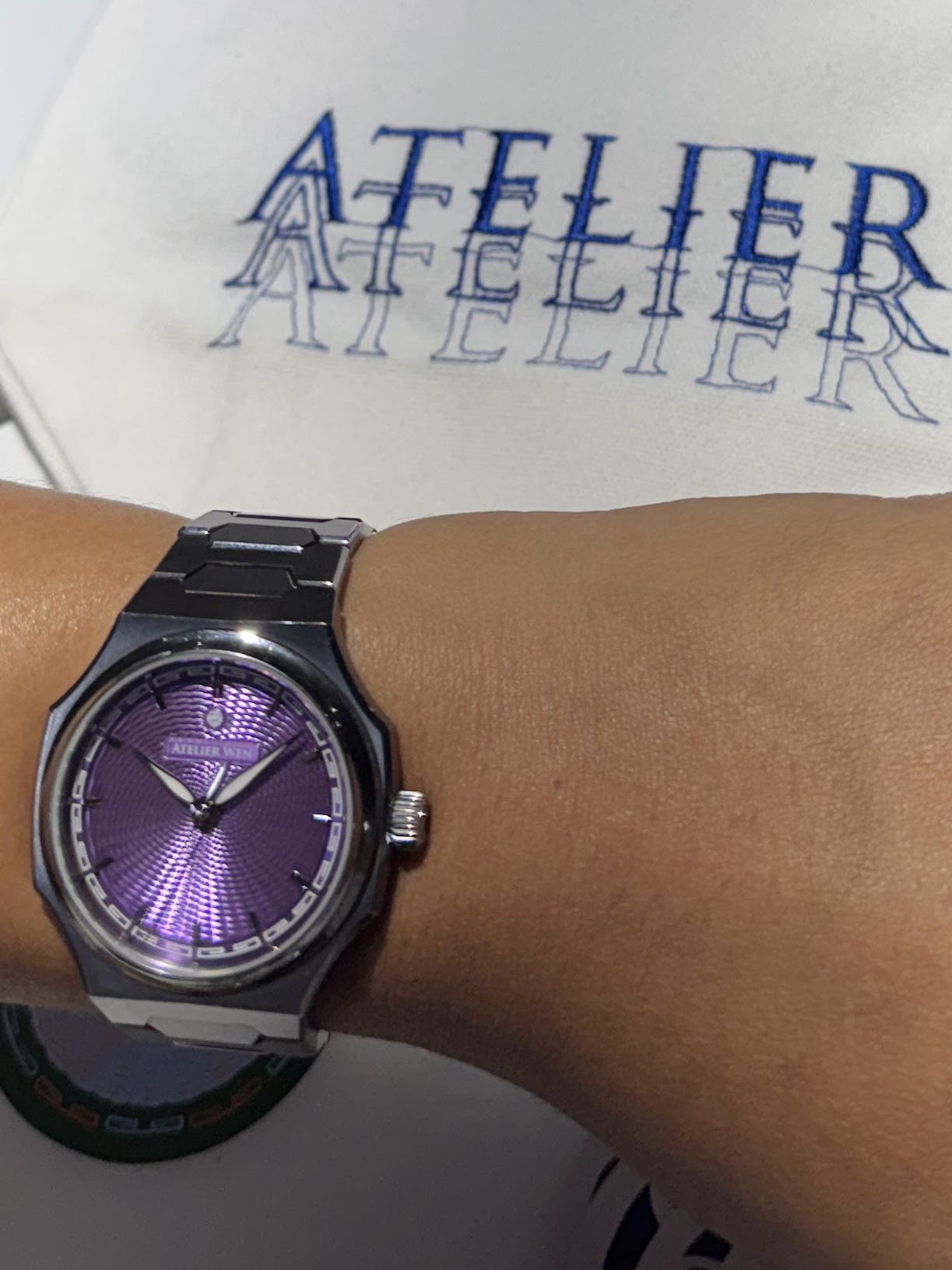
    Atelier Wen: Chinese Craft Meets Guilloché

    Close-up of a wrist wearing an Atelier Wen watch with a purple guilloché dial, set against a white background featuring the brand name Atelier.
    Atelier Wen’s stunning purple guilloché dial watch showcased the beauty of Eastern craftsmanship at the Windup Watch Fair.

    This Chinese microbrand delivered one of the most artistic dials at the fair. I tried on a model with a deeply etched, hand-carved guilloché dial in rich purple—a striking blend of Eastern artistry and mechanical credibility.

    Junghans Max Bill: Bauhaus Perfection

    A close-up of a wrist wearing a sleek, minimalist watch with a white face and black leather strap, next to a display of various watches with colorful straps and dials.
    The Junghans Max Bill watch, showcasing its minimalist elegance and Bauhaus-inspired design, perfectly displayed on the wrist.

    Clean lines, minimalist elegance, and timeless proportions made the Max Bill a joy to wear. My wife especially loved the Lady Max Bill, a pastel-toned variant that looked stunning on her wrist.

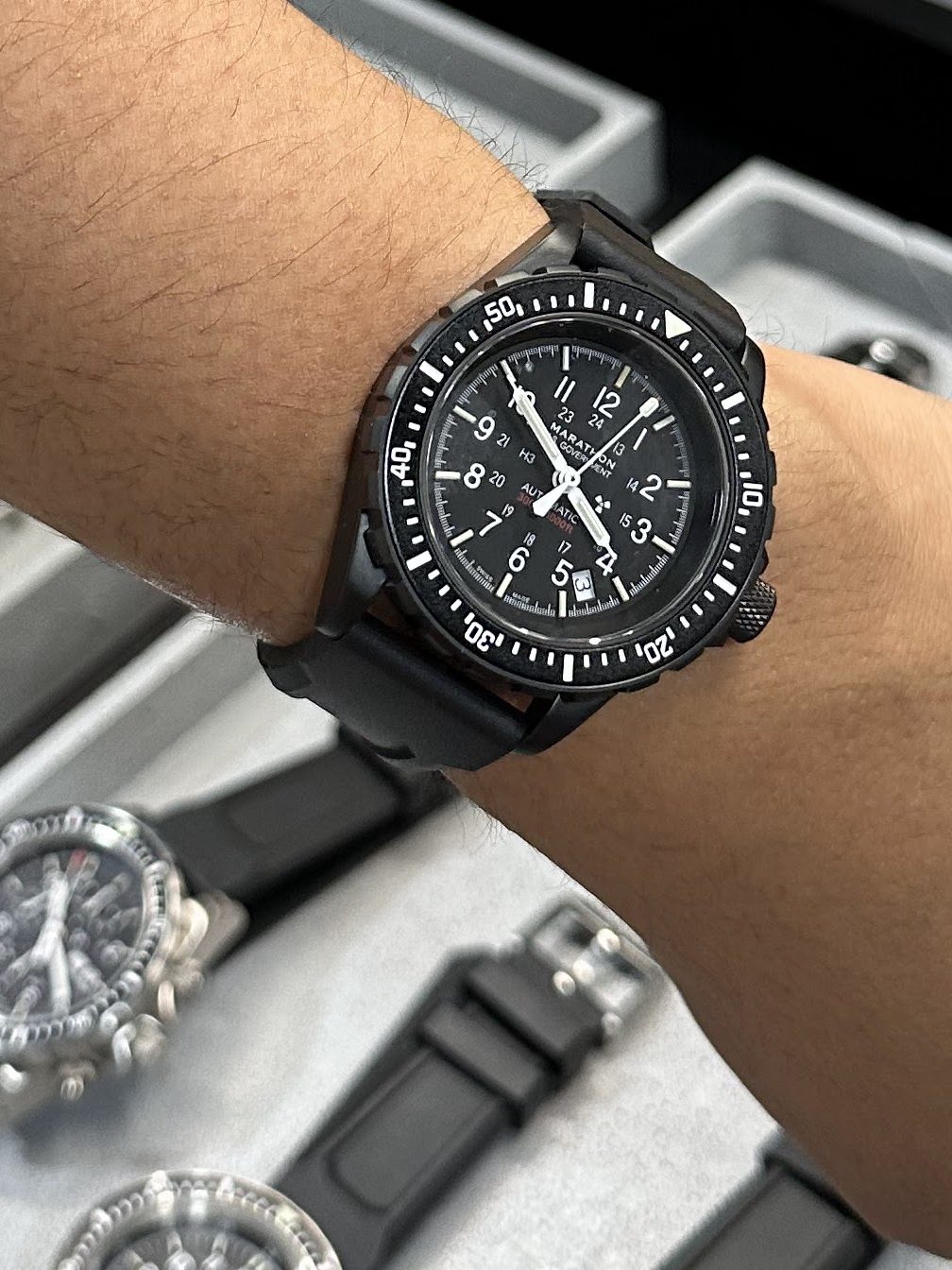
    Marathon GSAR: Military Grade with Tritium Power

    A close-up of a wrist wearing a black chronograph watch, displayed alongside various other watches on a table at the Windup Watch Fair.
    Showcasing the robust Marathon GSAR watch, a military-grade tool watch known for its luminescence and durability.

    Built like a tank and glowing for 25 years thanks to tritium tubes, the Marathon GSAR is a legit tool watch. No need to charge it under light—the lume just stays on.

    Straum Jan Mayen: Norwegian Nature on Your Wrist

    Two Straum watches displayed on a black leather strap, one with a textured silver dial and the other featuring a striking blue cracked-glass effect. Various branded patches are spread out underneath.
    Showcasing the unique designs of Straum watches, featuring textured dials inspired by nature.

    With dial textures inspired by volcanic landscapes and icy terrain, Straum’s Jan Mayen line brought poetic design to microbrand practicality.

    Formex: COSC-Certified Swiss Innovation

    Display of Formex Swiss made watches featuring various styles and designs on wooden stands.
    Formex Swiss-made watches showcasing robust designs and chronometer-certified movements at the Windup Watch Fair.

    Formex impressed with its robust yet lightweight designs and chronometer-certified movements. The build quality, comfort, and accuracy make this a dark horse among Swiss microbrands.

    Mühle Glashütte: Under-the-Radar German Excellence

    Display of Mühle Glashütte watches with various designs, colors, and styles showcased at the Windup Watch Fair.
    A showcase of Mühle Glashütte watches featuring a variety of styles from classic three-handers to nautical designs.

    This German heritage brand from Glashütte showcased an impressive variety—from clean three-handers to nautically inspired GMTs. It’s a brand more people should be talking about.

    Hamilton Intra-Matic Chronograph: Retro Cool

    A close-up of a person's wrist wearing a vintage-style chronograph watch with a black dial and silver mesh bracelet, surrounded by other watches on display in a watch fair setting.
    Showcasing the Hamilton Intra-Matic Chronograph with a classic panda dial at the Windup Watch Fair.

    Tried on a panda-dial version of this reissue. Classic 1960s vibes, two subdials, and just the right weight on the wrist.

    Baltic: Vintage Charm with Accessible Prices

    Three dive watches displayed on a grey surface, each featuring a black rubber strap. The left watch has a blue dial with white markers and hands, the center watch has a black dial with glowing markers, and the right watch has a black dial with white indices and a vintage design.
    A collection of Baltic’s vintage-inspired dive watches featuring black rubber straps and distinctive dials, showcasing their affordability and charm.

    Baltic’s vintage-inspired dive watches and pastel dials continue to punch above their price point. Easy recommendation for newcomers.


    Watches My Wife Loved

    My wife spent time trying on models that balanced personality with wearability. Here were her favorites:

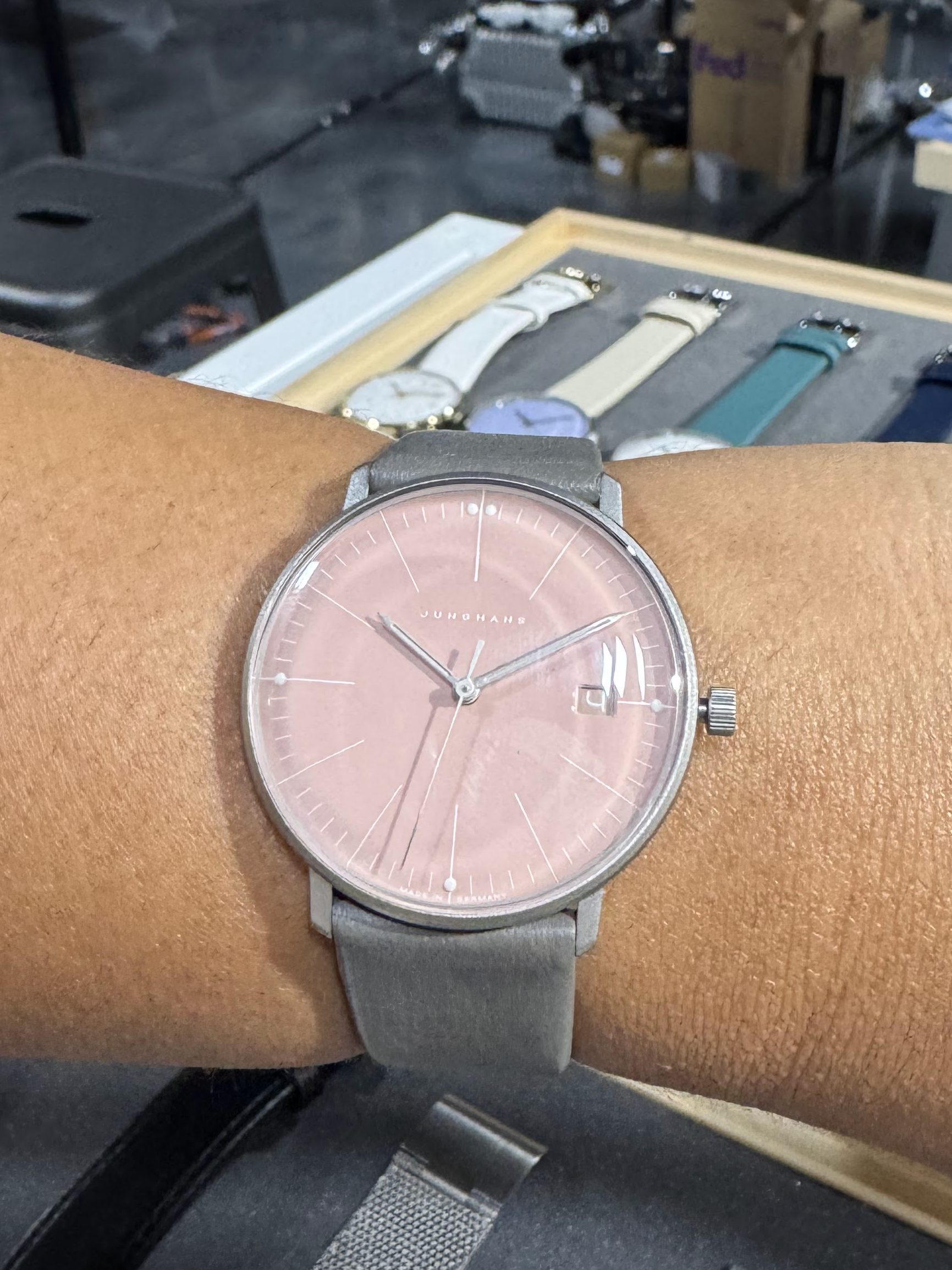
    Lady Max Bill (Junghans): Soft pink dial, sleek Bauhaus simplicity

    A close-up view of a person's wrist wearing a Junghans Max Bill watch with a pastel pink dial and gray strap, set against a backdrop of various watch straps displayed on a table.
    The Junghans Lady Max Bill featuring a soft pink dial and sleek Bauhaus design, highlighted at the Windup Watch Fair.

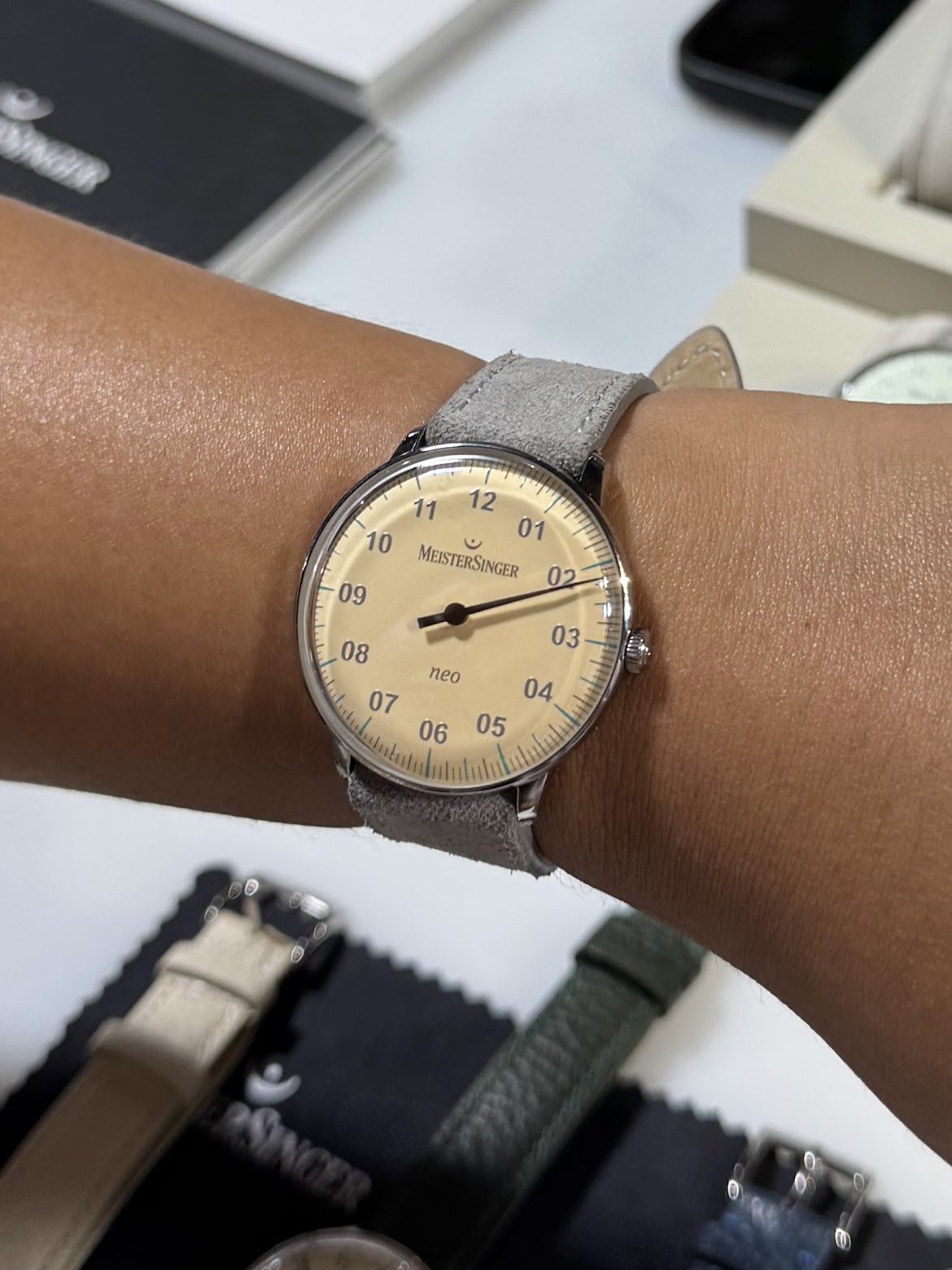
    Meistersinger: Swiss-German watch with just one hand—a conversation starter

    Close-up of a hand wearing a minimalist watch with a light-colored dial and silver accents, surrounded by other watches on a display table at a watch fair.
    Showcasing the unique dial of the Meistersinger watch, featuring a single hand for a minimalist approach to timekeeping.

    March Lab: Art Deco aesthetic with a green octagonal dial, Parisian flair

    Close-up of a March Lab watch with a black octagonal dial and silver metal bracelet worn on a wrist.
    The March Lab watch features an octagonal design with a striking green dial, showcasing a blend of Art Deco aesthetics and modern craftsmanship.

    Oris Aquis Date: Bold pink dial diver, stylish yet serious

    A close-up of a pink Oris Aquis Date watch displayed on a wrist, featuring a stainless steel bracelet and a bold, vibrant dial.
    The Oris Aquis Date featuring a bold pink dial, showcased for its stylish yet serious design at the Windup Watch Fair.

    She loved the diversity in styles, proving again that the women’s mechanical watch space is finally becoming more exciting.


    Fireside Chat: Oris CEO & CD Peacock on ADs vs Grey Market

    Panel discussion during the Windup Watch Fair 2025 in Chicago featuring industry experts discussing the topic 'To AD or Not to AD'.
    A moderated discussion at the Windup Watch Fair focusing on the importance of Authorized Dealers in the watch industry.

    One of the most valuable experiences was attending a moderated talk between Oris Americas CEO, VJ Ceronimo and the VC of CD Peacock, Steve Holtzman, a prominent Chicago-based authorized dealer. The topic? Why buying from Authorized Dealers (ADs) still matters in 2025.

    Some key takeaways:

    “The AD is your first line of trust, service, and education,” said the VP of CD Peacock.

    “We’re not just selling watches, we’re selling heritage and responsibility,” added Rolf Studer.

    They discussed how ADs offer not just legitimacy but also continuity—warranty, service, and even future upgrade pathways. In contrast, the grey market often offers lower prices at the cost of trust, after-sale support, and authenticity.

    My View: ADs Are Worth It

    For any watch priced above $2,000 to $3,000, I firmly believe buying from an AD or the brand directly is the wiser route. You get the peace of mind, service support, and sometimes even community that makes ownership feel richer and more personal.


    Final Thoughts

    Windup Chicago 2025 was more than just a fair—it was a community event. Whether it was talking to founders, hearing industry insights, or seeing my wife light up trying on a new dial color, this fair captured the spirit of why we love watches.


    Similar Reads

  • Watch History: From Bells to Smartwatches

    Watch History: From Bells to Smartwatches

    Watches tell time, but their evolution tells a story.
    From medieval tower clocks to precision micro-mechanics on our wrists, the journey of watches spans centuries of invention, fashion, and obsession. This is the tale of how timekeeping became personal—and what might come next.


    The Dawn of Timekeeping: Sundials and Tower Clocks

    Long before watches, ancient civilizations tracked time using sundials, water clocks, and candle clocks. But these were immobile, communal, and far from precise.

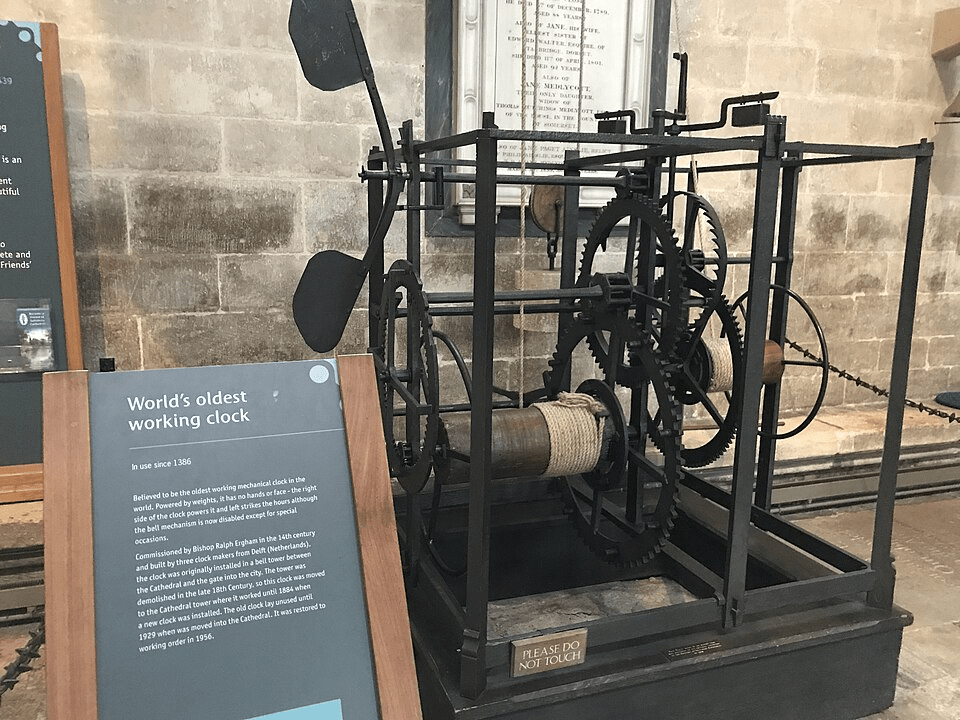
    It wasn’t until the 14th century in Europe that mechanical tower clocks began to dominate town squares—giant machines powered by weights and regulated by verge escapements. These massive clocks brought standardized time to communities, often regulated by monks and cathedral bells.

    Salisbury Cathedral image
    14th-century clock mechanism, Salisbury Cathedral. Image via Wikimedia Commons, licensed under CC BY-SA 4.0.

    Enter the Pocket Watch: Time Gets Personal

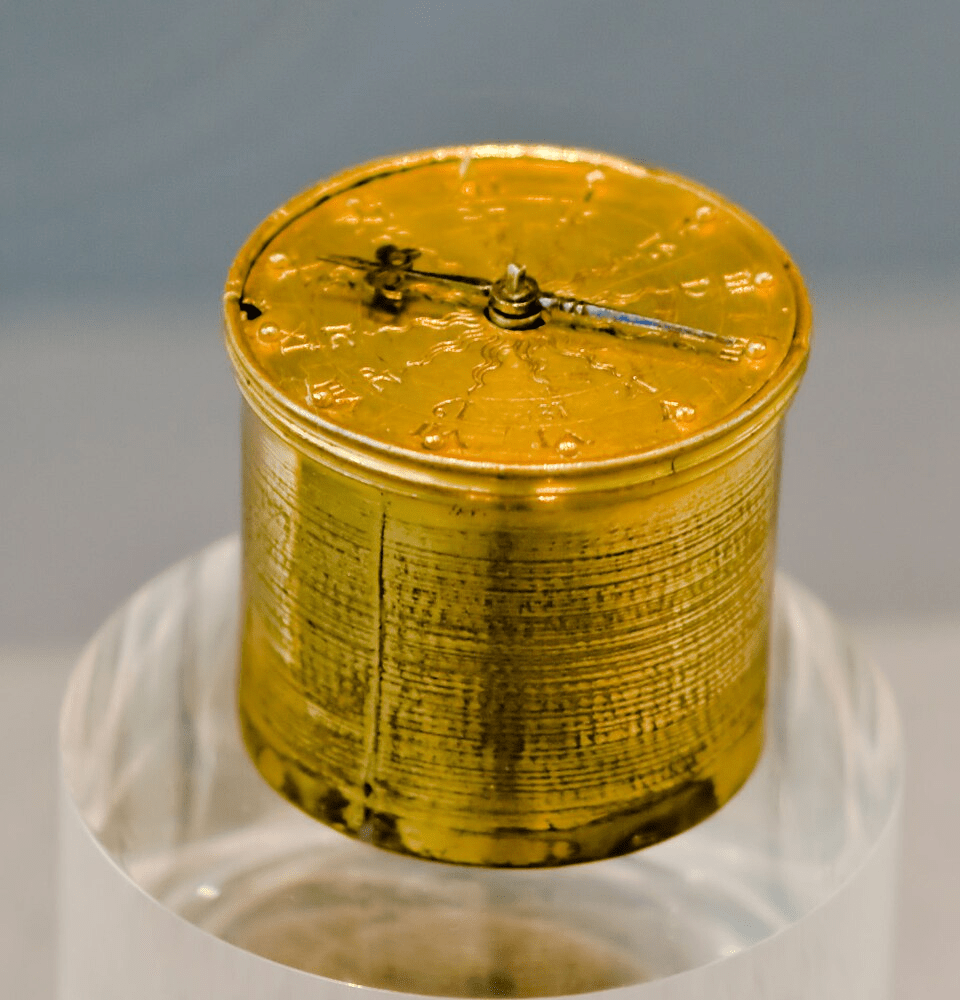
    In the 16th century, German inventor Peter Henlein created one of the first portable clocks—what we now call a pocket watch. These “Nuremberg Eggs” were spring-driven and worn around the neck or carried in pockets.

    Nuremberg Egg
    Image of a clock-watch “Nuremberg Egg” watch by Peter Henlein, 1510 via Wikimedia Commons under CC BY-SA 3.0.

    As watchmaking advanced through the 17th and 18th centuries, pocket watches became slimmer, more accurate, and increasingly decorative—status symbols for nobility and merchants alike. Innovations like the balance spring (1675) and jeweled movements greatly enhanced accuracy and durability.

    Portable clock
    Photo of 16th-century portable clock from Musée Paul‑Dupuy’s collection in Toulouse, via Wikimedia Commons, licensed under CC BY-SA 3.0.

    The Birth of the Wristwatch: War, Women, and Innovation

    Despite their elegance, pocket watches had a flaw—they needed two hands to check the time. The idea of strapping a timepiece to the wrist was initially considered feminine. But practicality changed everything.

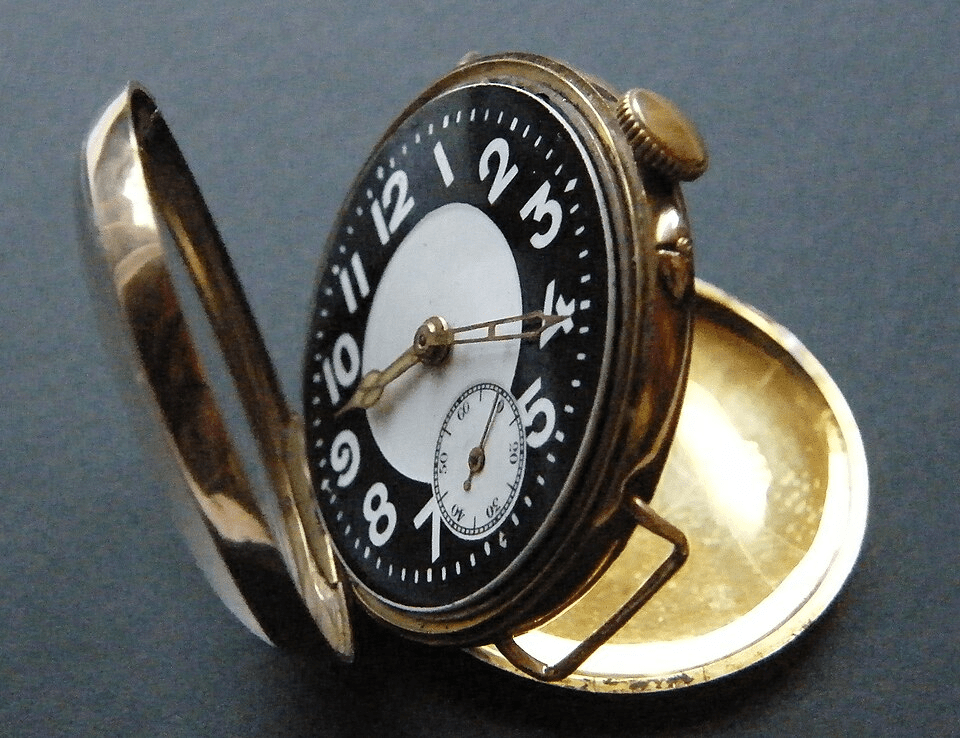
    During the Boer War and World War I, soldiers began wearing modified pocket watches on their wrists for quick access. Military utility made wristwatches masculine, reliable, and essential.

    By the 1920s, brands like Rolex, Longines, and Cartier were producing dedicated wristwatches for men. The transition was complete—wristwatches became the new standard.

    Trench watch
    WWI-era trench wristwatch. Image via Wikimedia Commons, released under public domain.

    The Quartz Revolution: Accuracy vs. Tradition

    In 1969, the world changed again when Seiko released the Astron, the first commercial quartz watch. Accurate to within seconds per month, it triggered the Quartz Crisis, nearly destroying the Swiss mechanical watch industry.

    Brands like Omega, Tissot, and even Rolex scrambled to catch up. Meanwhile, Swatch emerged in the 1980s with colorful, affordable quartz watches, helping Switzerland regain relevance with mass-market appeal.

    Seiko quartz watch
    1969 Seiko Astron – the first quartz wristwatch. Image via Wikimedia Commons, licensed under CC BY-SA 4.0.”

    Mechanical Renaissance: Art Meets Engineering

    Despite quartz dominance, mechanical watches made a comeback in the 1990s and 2000s. No longer about pure utility, they became luxury items, heritage symbols, and feats of engineering.

    Collectors revered the ticking heartbeat of an automatic movement, the craftsmanship behind hand-finished cases, and the legacy behind names like Patek Philippe, Audemars Piguet, and Rolex.

    AP Royal Oak Watch
    Photo by Sean Shirzadi on Pexels.com

    The Smartwatch Era: The Future on Your Wrist?

    The 2010s ushered in a new contender: the smartwatch. Apple, Samsung, and Garmin blurred the line between fitness trackers, notifications, and health monitoring. Yet, traditional mechanical watches haven’t disappeared.

    Instead, horology is entering a hybrid phase:

    • Mechanical watches = emotion, legacy, craftsmanship
    • Smartwatches = utility, data, innovation

    We might see mechanical hybrids (like Grand Seiko’s Spring Drive or experimental micro-energy harvesters), watches with blockchain service records (as used by Breitling and Vacheron Constantin), or AI-assisted movement calibration (still emerging, but being explored in manufacturing and smart hybrid platforms) in the near future.

    Samsung galaxy watch
    Photo by Andrey Matveev on Pexels.com

    Final Thoughts: Why Watches Still Matter

    In a world of screens and digital clocks, why do we still care about watches?

    Because they’re more than tools.

    They’re tiny machines that tell time—and timeless stories.
    Watches mark moments, carry memories, and express personality like few other objects can.

    As horology continues to evolve, one thing remains constant: our fascination with time, and how we wear it.